
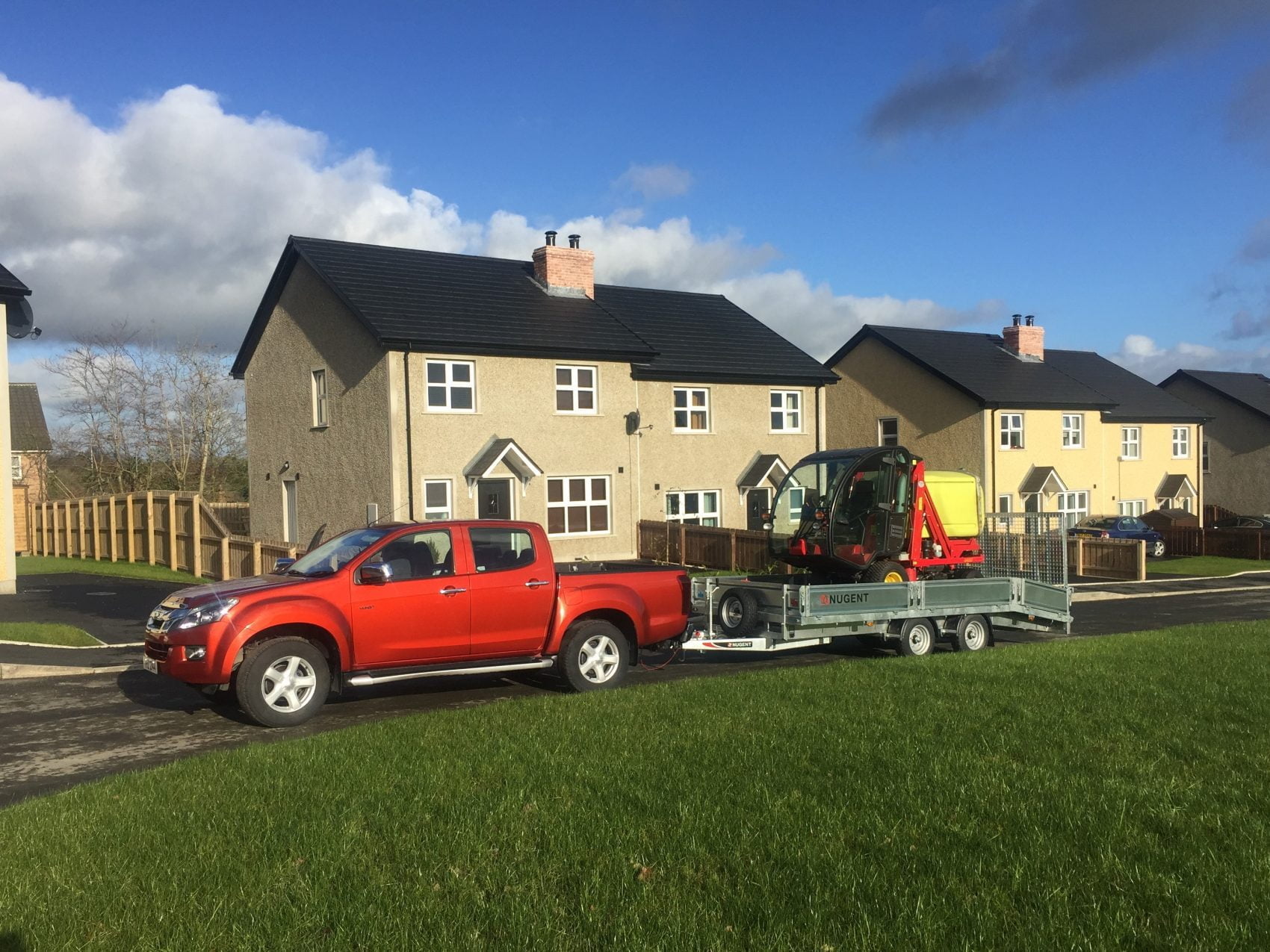

Nugent Beavertail Trailers
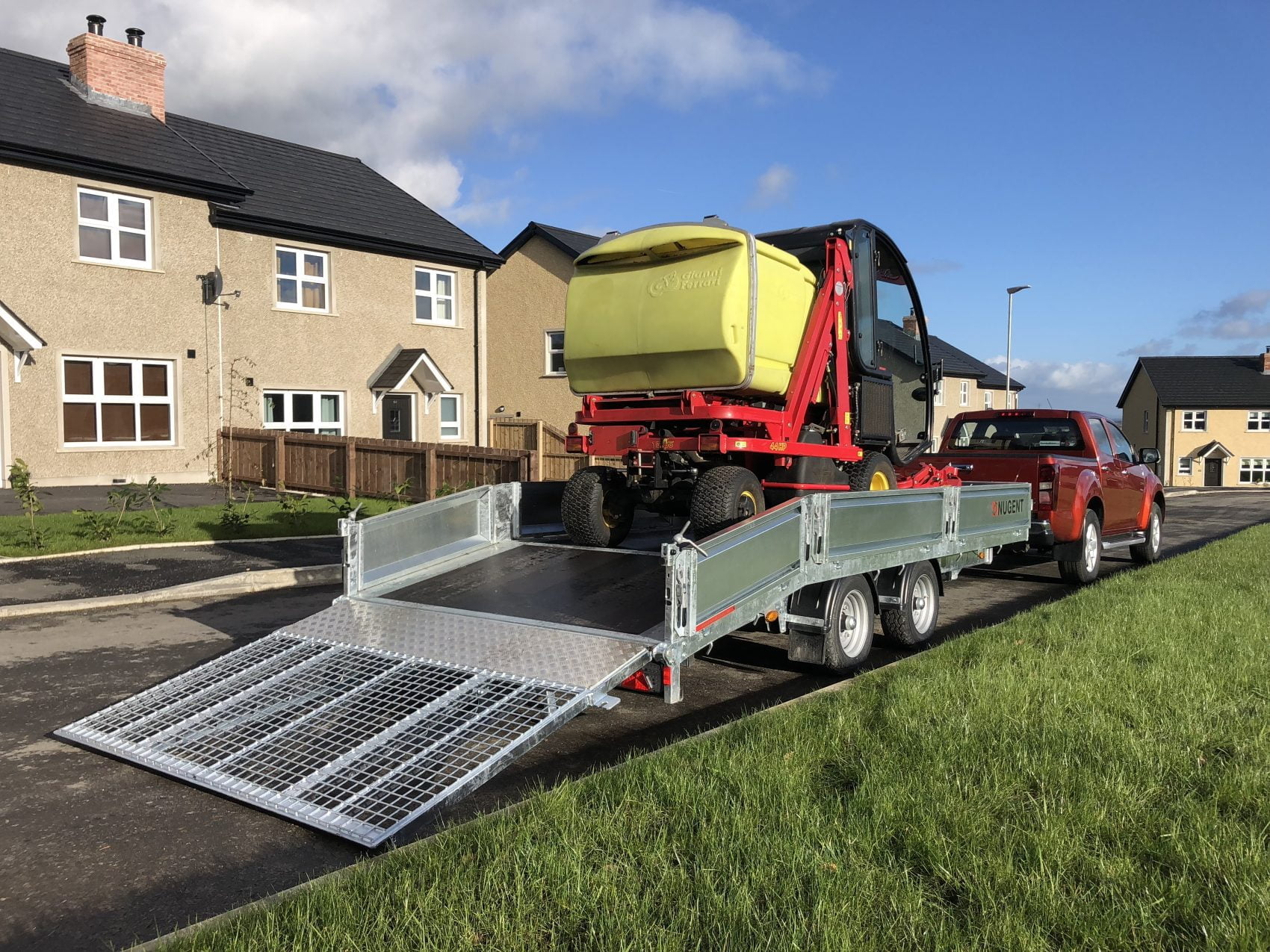
Nugent beavertail trailers are designed to reduce one of the biggest challenges in equipment transport: getting machinery onto the trailer safely. By lowering the rear section of the trailer, the loading angle becomes less steep, making it easier to move equipment on and off without excessive effort. This can make a noticeable difference when working with heavier machinery or equipment that sits low to the ground.
Loading does not always happen on flat, level ground. In many cases, it takes place on uneven surfaces where stability and control are more difficult to maintain.
Designed for Real-World Loading Conditions
Beavertail trailers are commonly used in situations where equipment needs to be loaded regularly and safely.
They are often used for:
- Transporting small construction machinery
- Moving equipment between job sites
- Handling vehicles or plant with low clearance
- Supporting site work where efficiency matters
Finding the Right Nugent Beavertail Trailer
If you regularly transport machinery and find standard loading methods too steep or difficult, a Nugent beavertail trailer provides a more practical solution. It is particularly useful for operators who need to load equipment frequently and want a setup that reduces risk and effort.
Choosing the right trailer depends on the type of machinery you use, how often you transport it and the conditions you typically work in. We can help you compare Nugent models and find a beavertail trailer that fits your equipment and your workflow.
Nugent Beavertail Trailers - FAQs
What is a Nugent beavertail trailer designed for?
A Nugent beavertail trailer is designed to make loading and unloading machinery easier. The distinctive beavertail section creates a gentler approach angle, helping wheeled and tracked equipment move onto the trailer more smoothly.
Why choose a beavertail trailer over a standard flatbed?
The lower loading angle is often the deciding factor. For customers transporting machinery or equipment regularly, a beavertail trailer can make loading safer, quicker and more convenient.
What types of equipment are commonly transported on Nugent beavertail trailers?
Beavertail trailers are frequently used for moving compact construction machinery, utility vehicles, agricultural equipment and plant machinery between sites.
Are Nugent beavertail trailers suitable for contractors?
Contractors often choose beavertail trailers because they spend less time dealing with loading challenges and more time focusing on the work itself. This can be particularly valuable when moving equipment frequently.
Can a Nugent beavertail trailer be used for vehicle transport?
Depending on the model and payload, beavertail trailers can be used for transporting vehicles and wheeled equipment where easy loading is a priority.
What industries use Nugent beavertail trailers?
Construction, groundwork, agriculture, landscaping and plant hire businesses are among the most common users of beavertail trailers due to their practical loading advantages.
How do I know if I need a beavertail trailer?
If you regularly transport equipment that benefits from a reduced loading angle, a beavertail trailer may offer a more efficient solution than a conventional trailer design.
What should I consider before buying a Nugent beavertail trailer?
The type of equipment being transported, loading frequency and payload requirements should all be considered when comparing available models.