
Brian James Tipper Trailers
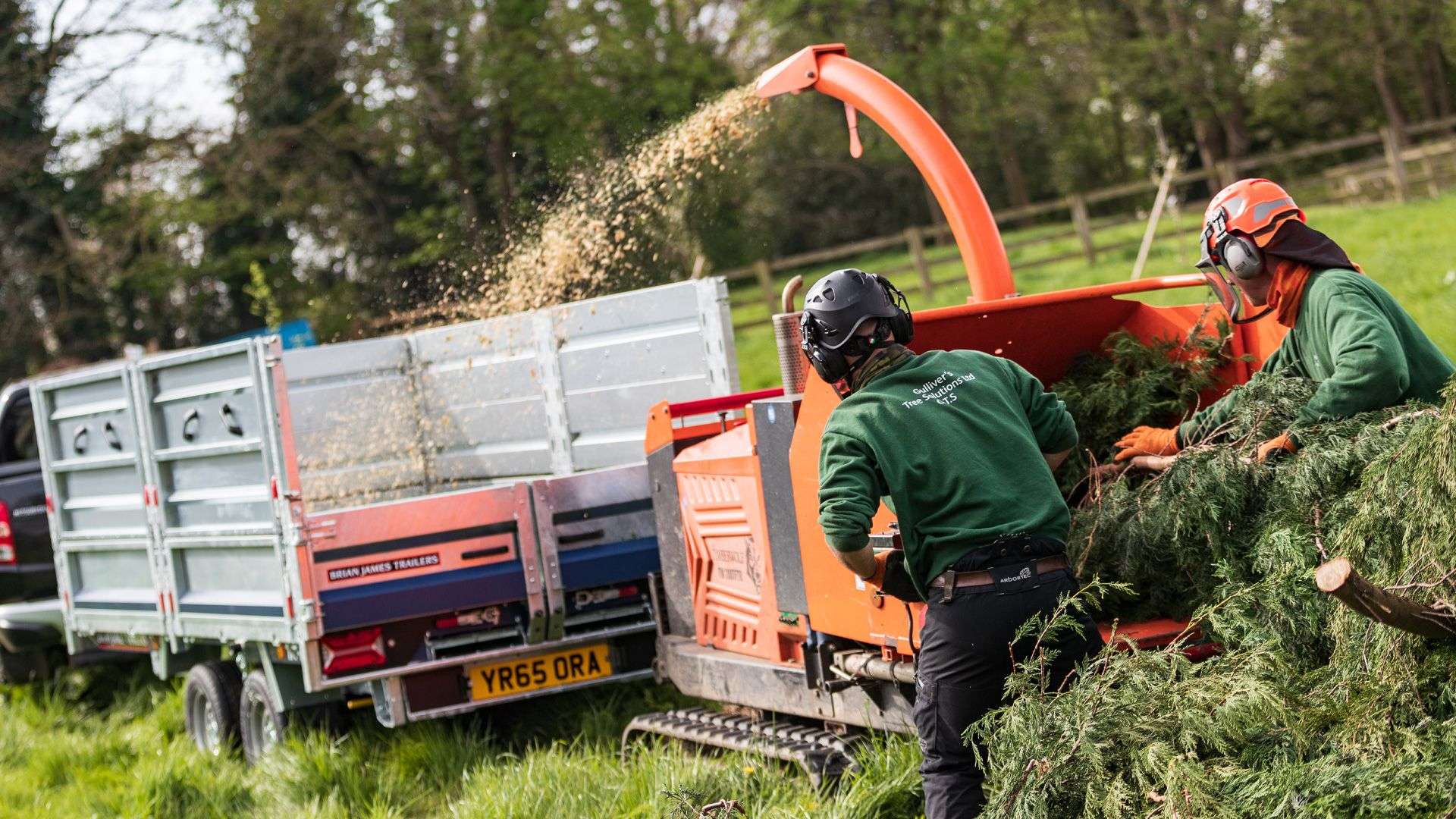
Brian James tipper trailers are built for moving loose materials efficiently, making them a practical choice for construction, landscaping and agricultural work. Designed with durability in mind, these trailers are suited to jobs where reliability and ease of unloading are essential.
At Cutlers, we work with customers who need trailers that can handle regular use on site. Brian James tipper trailers provide a dependable solution for transporting materials such as soil, gravel and waste.
Designed for Practical Site Work
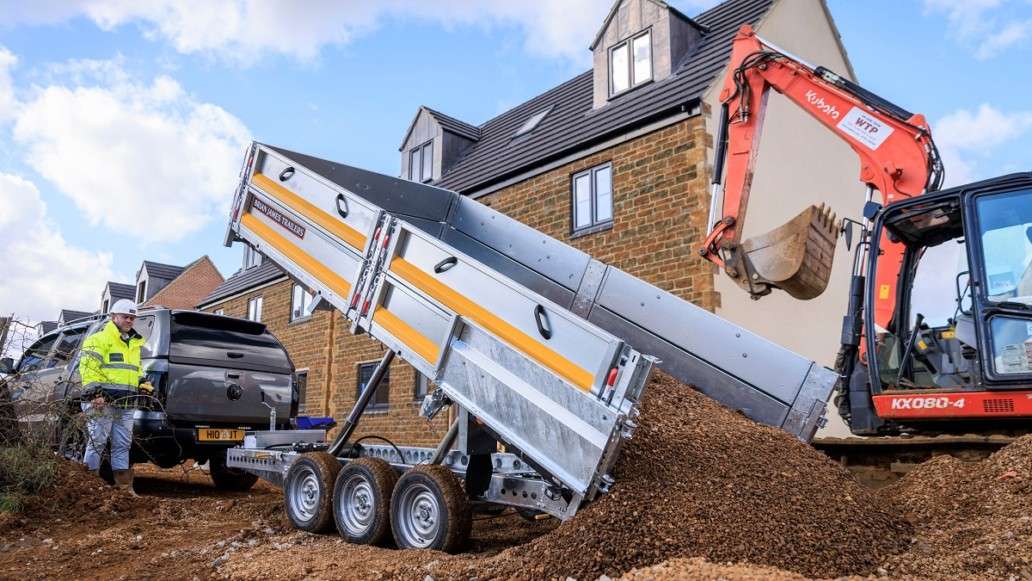
One of the key advantages of a tipper trailer is the ability to unload quickly without manual effort. Brian James models are designed with this in mind, using hydraulic systems that allow loads to be discharged efficiently. This makes them particularly useful on busy sites where materials need to be moved and unloaded regularly throughout the day.
A Reliable Option for Working Environments
- Groundworkers managing site preparation
- Landscapers moving bulk materials
- Builders handling waste and aggregates
Brian James Tipper Trailers at Cutlers
The right trailer will depend on the type of materials you move, how often you use it and the towing vehicle you are working with. If you are unsure which model is most suitable, our team can help you compare options and choose a trailer that fits your requirements.
We stock a selection of Brian James tipper trailers and can advise on the best option based on your needs. To find out more or check current availability, get in touch with our team and we will be happy to help.
Brian James Tipper Trailers - FAQs
What are Brian James tipper trailers designed for?
Brian James tipper trailers are designed to transport and unload loose materials efficiently. They are commonly used for moving soil, aggregates, green waste, construction materials and other bulk loads where quick unloading is important.
Why choose a Brian James tipper trailer?
Brian James tipper trailers are built for demanding working environments where reliability and practicality matter. Their robust construction and efficient tipping functionality make them a popular choice for contractors, landscapers and agricultural businesses.
Which industries use Brian James tipper trailers?
Brian James tipper trailers are widely used across construction, landscaping, agriculture, groundwork and property maintenance. Their versatility makes them suitable for businesses that regularly transport and unload materials as part of their daily operations.
How can a Brian James tipper trailer improve efficiency on site?
The tipping function allows materials to be unloaded quickly without the need for extensive manual handling. This can help reduce downtime, improve productivity and make day-to-day site work more efficient.
What materials can be transported in a Brian James tipper trailer?
Brian James tipper trailers are suitable for a wide variety of materials, including aggregates, soil, sand, gravel, green waste, timber and construction debris. The exact payload will depend on the model and specification selected.
What should I consider before buying a Brian James tipper trailer?
Before purchasing a Brian James tipper trailer, it is important to consider payload capacity, trailer size, loading requirements and how frequently the trailer will be used. Selecting the right specification from the outset can help support long-term productivity.
How do I choose the right Brian James tipper trailer?
Choosing the right trailer starts with understanding the type of materials being transported, the volume of loads typically carried and the towing vehicle available. Matching the trailer to your workload helps maximise both performance and efficiency.
Are Brian James tipper trailers suitable for professional use?
Are Brian James tipper trailers suitable for professional use?
Many businesses choose Brian James tipper trailers because they are designed for regular commercial use. They are often found on construction sites, landscaping projects and agricultural operations where durability is essential.