How to Choose the Right Plant Trailer
Whether you’re transporting a mini excavator between sites, moving a dumper for the next job or towing machinery for landscaping work, choosing the right plant trailer can make every working day more efficient.
The challenge is that there’s no one-size-fits-all solution.
The right trailer depends on the machinery you’re transporting, how often you’re towing and the type of work you do. A contractor moving equipment every day may have very different priorities to someone transporting a compact excavator a few times each month.
This guide explains the key decisions you’ll need to make before buying a plant trailer. We’ll look at trailer types, loading systems, payload considerations and the differences between leading manufacturers, helping you choose a trailer that’s built around the way you work.
What Will Your Trailer Be Carrying?
Before you start comparing trailer specifications, take a step back and think about the equipment you’ll be transporting most often.
While it might sound obvious, many buyers focus on the trailer before properly considering the machinery it needs to carry. The result is often a trailer that’s either larger than necessary or doesn’t quite suit the job it was bought for.
Start by asking yourself a few simple questions:
- What machinery will you transport most regularly?
- Will you usually be carrying one machine or several pieces of equipment?
- Do you regularly travel with buckets, attachments or additional tools?
- Are you towing locally between jobs or travelling longer distances?
- Could your machinery change over the next few years?
The answers will quickly narrow down the type of trailer that’s likely to suit your business.
For example, someone transporting a compact micro excavator has very different requirements to a contractor moving a larger tracked machine with several attachments. Likewise, if your trailer needs to carry more than one piece of equipment during the working day, flexibility quickly becomes just as important as payload.
Worth Considering: Buy for the work you do most often, not the biggest job you’ve ever had. Choosing a trailer that suits your day-to-day workload will usually prove to be the better long-term investment.
Matching the Trailer to the Job
Plant trailers come in several different designs, each intended to make loading and transporting machinery easier. Rather than asking which trailer is best, it’s more useful to think about which design best fits the type of work you carry out.
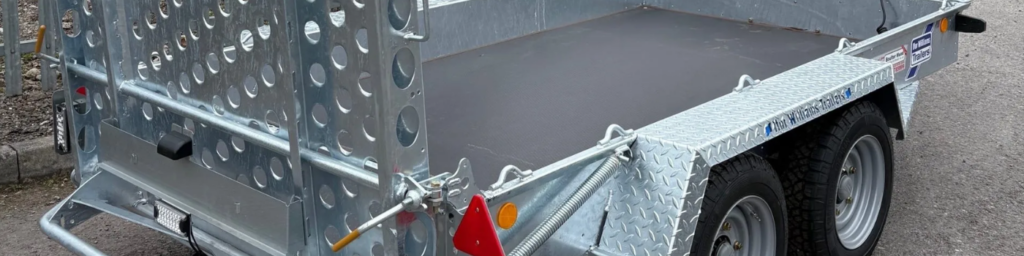
A Beavertail Trailer is a popular choice for contractors transporting excavators, dumpers and other tracked machinery. The lowered rear deck creates a gentler loading angle, making it easier to load equipment while improving ground clearance during transport.
If your trailer will spend most of its time moving plant machinery between jobs, a beavertail design is often one of the most practical options available.
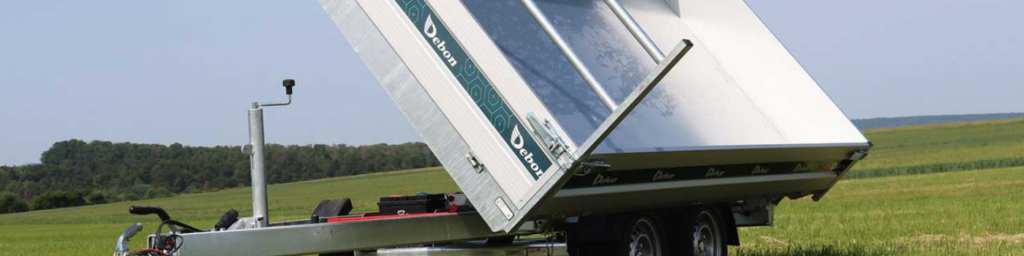
Instead of relying on loading ramps, Tiltbed Trailers allow the trailer bed to tilt, creating a smooth approach for loading machinery.
They’re particularly useful for equipment with lower ground clearance or for operators looking to simplify loading throughout a busy working day. With fewer components to position before loading, a tiltbed trailer can also help speed up regular site movements.
While often associated with transporting larger or more varied loads, Flatbed Trailers can be an excellent choice if your work extends beyond plant machinery alone.
The open deck provides greater flexibility for carrying building materials, pallets and oversized equipment, making flatbed trailers popular with businesses that need one trailer to handle a variety of transport tasks. Each design has its strengths. The key is choosing the one that best reflects how you’ll use it on a typical working day, rather than simply selecting the most popular option.
Don’t Forget the Extra Weight
One of the most common mistakes first-time buyers make is focusing solely on the weight of the machine itself. In reality, the trailer often carries far more than just the excavator or dumper.
Buckets, breakers, augers, fuel cans, toolboxes and other attachments all add weight, and it’s important to factor these into your calculations before choosing a trailer. Think about everything that normally leaves site with the machine, not just the machine itself.
For example, a compact excavator might only represent part of the total load once you include:
- Grading and digging buckets.
- Hydraulic attachments.
- Fuel and lubricants.
- Ground protection mats.
- Tools and equipment carried alongside the machine.
Choosing a plant trailer with sufficient payload for your complete working setup not only helps keep you within legal limits, but also gives you greater flexibility as your business grows or your equipment changes.
Remember: Many contractors upgrade their machinery long before they replace their trailer. Allowing a little extra capacity now can help future-proof your investment and avoid having to upgrade both at the same time.
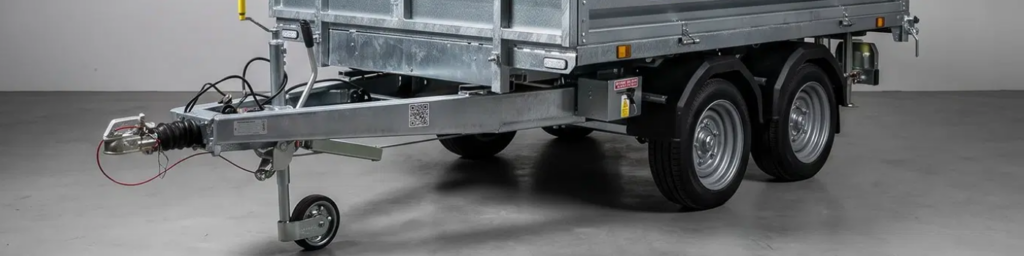
How Many Axles Do You Need?
Once you’ve chosen the right type of trailer, it’s worth considering how it will be used on the road. One of the biggest decisions is whether a single or twin axle trailer is the better fit for your work. For many buyers, the answer comes down to the weight of the machinery being transported and how often the trailer will be in use.
Single axle plant trailers
Single axle trailers are often chosen for lighter machinery and less frequent transport. They’re generally easier to manoeuvre by hand, can be simpler to store and are a practical option for businesses transporting compact equipment over shorter distances.
If you’re moving smaller machinery and don’t need the highest payloads, a single axle trailer may provide everything you need without adding unnecessary weight or cost.
Twin axle plant trailers
For contractors transporting excavators, dumpers and heavier equipment on a regular basis, twin axle trailers are often the preferred choice. The additional axle helps distribute weight more effectively, improving stability and giving greater confidence when towing heavier loads. They’re particularly well suited to businesses where the trailer forms part of the daily workload rather than occasional use.
There’s no universal answer. The best choice depends on the machinery you’re transporting today, while also allowing enough flexibility for tomorrow.
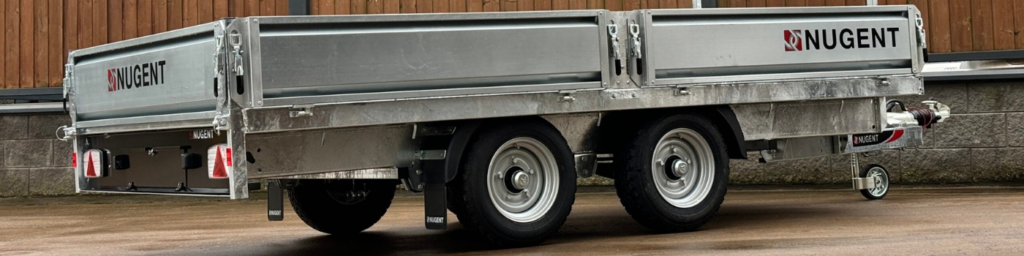
Features That Make Life Easier
Plant trailers are built to work hard, but some features can make everyday loading, unloading and transport noticeably easier. Rather than focusing on long specification lists, think about the details you’ll use every time the trailer leaves the yard.
Loading ramps
Strong, well-designed loading ramps are essential when transporting plant machinery. Look for ramps that are easy to deploy, offer good grip and comfortably accommodate the equipment you use most often.
Secure tie-down points
Properly positioned lashing points make securing machinery quicker and help keep loads stable throughout the journey. If you’ll be transporting different types of equipment, having multiple tie-down options can make a real difference.
LED lighting
LED lights generally offer greater durability and visibility than traditional bulbs, particularly for trailers that spend long days travelling between sites in all weather conditions.
Spare wheel and storage
It’s easy to overlook until you need it! Having a spare wheel and somewhere to store essential equipment can save valuable time if you encounter a problem on the road.
Lockable hitch
If your trailer is regularly left on site or stored outside, a lockable hitch provides an extra layer of security and greater peace of mind when the trailer isn’t in use.
The best features aren’t always the most obvious. They’re often the ones that make loading quicker, improve safety and reduce frustration throughout the working day.
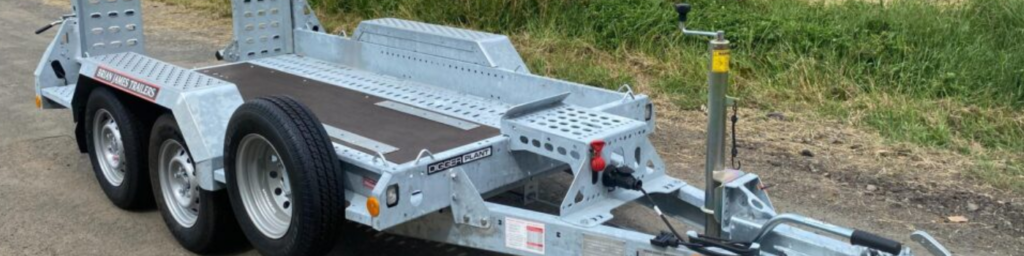
Brand Focus: Brian James or Nugent?
Once you’ve decided on the style of trailer you need, comparing manufacturers becomes much more straightforward. At Cutlers, Brian James and Nugent are both trusted by professionals across the construction, landscaping and agricultural sectors, but each appeals to slightly different buyers.
Brian James Plant Trailers
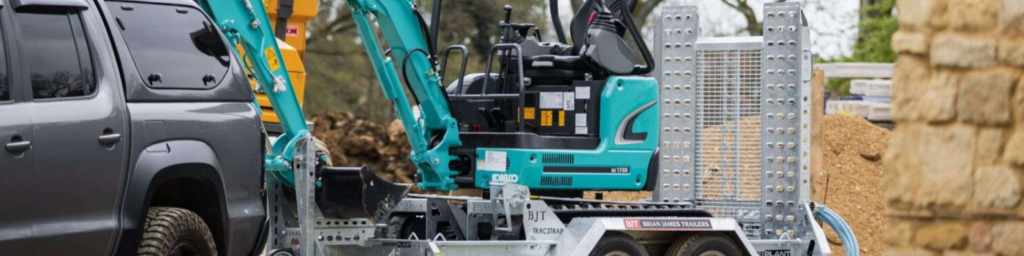
Brian James has built a strong reputation for engineering, towing performance and practical design. Their plant trailers are a popular choice with contractors transporting machinery regularly, offering loading systems and build quality designed for demanding working environments.
If your trailer will spend plenty of time on the road, Brian James trailers are well worth considering.
Nugent Plant Trailers
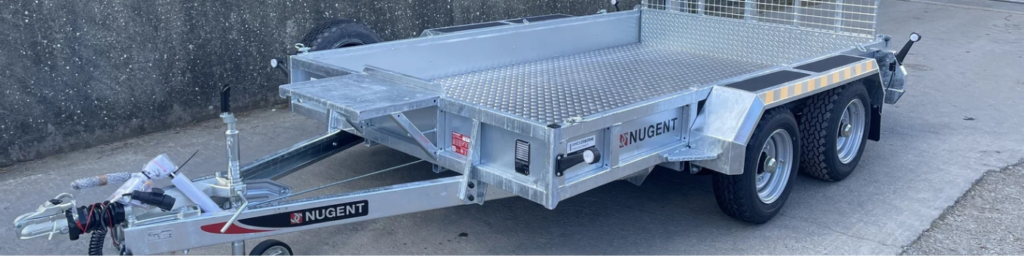
Nugent trailers are recognised for their robust construction and versatility, making them a popular option across construction, farming and groundcare. They’re particularly well suited to businesses looking for a dependable trailer that can handle a wide variety of equipment while standing up to the demands of everyday commercial use.
Both manufacturers produce excellent plant trailers, so the decision often comes down to the machinery you’re transporting, your preferred loading system and the features that matter most to your business.
Good to Know: It’s easy to compare manufacturers online, but viewing different trailers in person often highlights practical differences that aren’t obvious on a specification sheet. Details such as loading height, ramp operation and overall layout can quickly influence which trailer feels right for your day-to-day work.
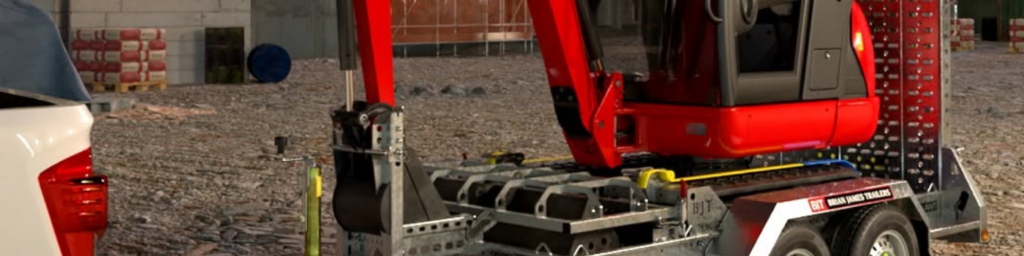
Plant Trailers: Buying New or Used
A plant trailer is a significant investment, so it’s worth considering whether buying new or used is the better option for your business.If you’re planning to tow machinery every day, a new trailer offers the latest features, manufacturer support and the confidence that comes with owning a trailer from new.
A quality used trailer, however, can represent excellent value. Buying pre-owned can make it possible to step into a premium manufacturer while keeping more of your budget available for machinery, tools or other business costs. Whichever route you choose, it’s important to buy from a supplier you can trust.
At Cutlers, every used trailer is carefully assessed before being offered for sale, giving customers confidence that they’re investing in equipment that’s ready to get back to work. If you’re considering a pre-owned model, explore our selection of Used Trailers to see the latest availability.
Choosing a Trailer That Can Grow With Your Business
It’s easy to buy a trailer that suits the machinery you own today, but it’s just as important to think about where your business might be in a few years’ time.
Many contractors start with a compact excavator or small dumper before gradually investing in larger machines as workloads increase. If you’re already planning to expand your fleet or take on bigger contracts, choosing a trailer with a little additional capacity now could save you replacing it much sooner than expected.
That doesn’t necessarily mean buying the biggest trailer available. Instead, it’s about finding a balance between your current requirements and the flexibility to adapt as your business evolves. A trailer that comfortably handles your day-to-day workload while allowing room for future growth is often the most cost-effective long-term investment.
Taking a little extra time to think ahead can make all the difference, particularly if your trailer will become a core part of your business rather than something that’s only used occasionally.
Avoid These Common Plant Trailer Buying Mistakes
Choosing a plant trailer isn’t just about payload or dimensions. Small decisions made at the buying stage can have a noticeable impact on how practical the trailer is to own and use every day.
Here are some of the most common mistakes we see.
- Choosing a trailer based on one machine
Your excavator or dumper might be the reason you’re buying a trailer today, but there’s every chance your equipment will change over time. Thinking about the wider range of machinery you may transport in the future can help you avoid outgrowing your trailer sooner than expected.
- Forgetting about attachments
Buckets, breakers, augers and fuel all contribute to the overall load. Focusing solely on the weight of the machine itself can quickly leave you with less payload than you expected.
- Overlooking the loading system
Loading machinery several times a day soon highlights the importance of choosing the right trailer design. Whether a Beavertail Trailer, Tiltbed Trailer or Flatbed Trailer is the better option depends on the equipment you’re transporting and how frequently you’re loading and unloading.
- Buying on price alone
Budget is always an important consideration, but it’s worth looking beyond the purchase price. A trailer that’s easier to load, better suited to your machinery and built for regular commercial use will often prove to be better value over the years you own it.
- Rushing the decision
Comparing different trailer designs, manufacturers and loading systems takes a little extra time, but it’s time that’s usually well spent. The right trailer should make transporting machinery easier every time you head to site, so it’s worth getting the decision right from the beginning.
Worth Remembering: The best plant trailer isn’t necessarily the one with the biggest payload or the longest specification list. It’s the one that fits the way you work, the machinery you transport and the jobs you carry out every day.
Explore Our Plant Trailer Range
By now, you should have a much clearer understanding of what to consider when choosing a plant trailer. Whether you’re transporting a compact excavator, moving construction equipment between sites or looking for a trailer that can grow alongside your business, taking the time to compare your options now will make your investment far more rewarding in the long run.
At Cutlers, we stock a carefully selected range of plant trailers from manufacturers trusted by contractors, landscapers, farmers and construction professionals across the UK. If you’re unsure which model best suits your machinery, our experienced team is always happy to talk through your requirements and recommend a solution that’s built around the work you do.
If you’re still weighing up your options, get in touch with the Cutlers team. We’ll help you compare trailer types, loading systems and manufacturers, ensuring you leave with a trailer that’s ready for the jobs ahead rather than simply the one that looks best on paper.