
Box Trailer vs Flatbed Trailer: Which Should You Choose?
Choosing between a box trailer and a flatbed trailer largely comes down to what you’re transporting, how you need to load it and whether your cargo needs protection from the weather. Both are popular choices for commercial and personal use, but their different designs make them better suited to particular types of work.
An enclosed box van trailer provides a covered, secure space for transporting tools, equipment and goods, while a flatbed trailer offers an open loading platform that can accommodate larger or more awkwardly shaped loads. Neither is automatically the better option, and there are several practical differences worth considering before buying.
At Cutlers Sales & Hire, we supply a range of box van trailers and flatbed trailers from established manufacturers, including Debon and Nugent. In this guide, we’ll compare their advantages, loading arrangements and carrying capabilities to help you decide which type of trailer best suits your requirements.
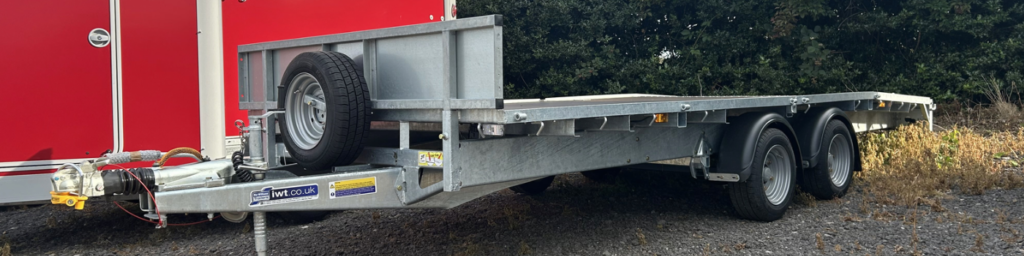
Box Trailer vs Flatbed Trailer: What’s the Difference?
The main difference between a box trailer and a flatbed trailer is the design of the load-carrying area.
A box van trailer has an enclosed body with a roof, walls and designated loading openings. This provides protection from the elements and allows equipment or goods to be transported within a covered space. Depending on the model, access may be through rear doors, a loading ramp or additional side openings.
A flatbed trailer has an open loading platform, generally without permanent enclosed sides. This provides greater flexibility when transporting bulky materials, pallets and equipment that would be difficult to fit inside a box trailer.
Although both designs are available in different sizes and weight capacities, their loading arrangements and practical advantages can be quite different.
Box Trailer vs Flatbed Trailer: Quick Comparison
| Feature | Box van trailer | Flatbed trailer |
| Load protection | Enclosed body protects cargo from the weather | Loads are exposed unless separately protected |
| Security | Lockable enclosed storage, depending on specification | Cargo remains exposed and needs appropriate security |
| Loading access | Rear ramp, doors or side openings, depending on model | Potential access from the rear and sides |
Bulky loads | Restricted by internal dimensions and door openings | Greater flexibility for large or awkward loads |
| Payload | Depends on the trailer’s gross weight and unladen weight | Depends on the trailer’s gross weight and unladen weight |
| Typical uses | Tools, equipment, deliveries and valuable goods | Building materials, pallets, machinery and bulky equipment |
| Maintenance | Body panels, doors, seals and running gear require attention | Loading bed, securing points and running gear require attention |
The best choice depends on which of these features matters most for the loads you’re carrying. For some buyers, keeping equipment protected and enclosed is the priority. For others, being able to load from multiple directions or accommodate larger items is more important.

When Is a Box Trailer the Better Choice?
An enclosed box trailer is particularly useful when the condition, security or protection of the load is a priority.
For businesses regularly transporting tools, equipment or goods that shouldn’t be exposed to the weather, an enclosed body can offer significant practical advantages over an open trailer.
However, it’s worth comparing the loading arrangements and internal dimensions carefully, as these can vary considerably between models.
Protection for Tools, Equipment and Goods
One of the biggest advantages of a box van trailer is the protection it provides during transport. The enclosed body helps shield cargo from rain, road spray and general exposure to the elements, making it a practical choice for equipment and materials that need to remain dry.
This can be particularly useful for:
Tradespeople: Transporting tools, equipment and materials that need protection during travel.
Events and exhibition businesses: Moving display equipment, furniture and other valuable items.
Delivery and distribution businesses: Carrying packaged goods and products that require covered transport.
Motorsport and leisure users: Transporting suitable motorcycles, equipment and accessories.
Mobile service businesses: Keeping regularly used equipment together in an enclosed trailer.
For businesses carrying a consistent range of equipment, an enclosed trailer can also provide a useful storage arrangement between journeys, subject to appropriate security precautions.
Additional Security for Valuable Equipment
A box trailer offers an additional level of physical protection because the load is contained within an enclosed body. Depending on the model, doors and access points can be secured with suitable locking arrangements, helping to restrict access to the contents.
This can be particularly appealing to tradespeople and businesses transporting expensive tools or specialist equipment. However, it’s important to remember that an enclosed trailer isn’t automatically theft-proof. Security depends on the trailer’s construction, locking equipment and how and where it’s stored.
For valuable loads, additional security measures and appropriate insurance may still be necessary.
Loading Arrangements and Internal Space
One of the most important considerations when buying a box van trailer is how you’ll get equipment in and out. Different models offer different loading arrangements. For example, Debon box van trailers include configurations with rear ramps, barn-style doors and additional side access options on selected models.
These differences can have a significant effect on how practical the trailer is for your particular workload. If you’re transporting wheeled equipment, a suitable rear ramp may be useful. For goods that are regularly loaded by hand, rear doors or additional access openings might be more convenient.
It’s also important to check the trailer’s internal dimensions rather than relying solely on its overall size.
Before choosing a box trailer, check:
- Internal length, width and height: Enough space for your regular loads.
- Door or ramp opening dimensions: Sufficient clearance for the equipment being loaded.
- Ramp capacity: Suitable for the weight of any machinery or wheeled equipment.
- Access arrangements: Whether rear or side access best suits your loading requirements.
- Payload: Enough capacity for the complete load, including additional equipment.
- Load-securing points: Suitable arrangements for keeping cargo properly restrained during transport.
A trailer might have enough internal space for a particular item but still be unsuitable if the loading opening is too narrow or the ramp isn’t rated for the equipment.
Cutlers Tip: When comparing enclosed trailers, measure the largest item you regularly transport and check both the internal dimensions and the actual loading opening. It’s a simple detail that can make a big difference when choosing between models.
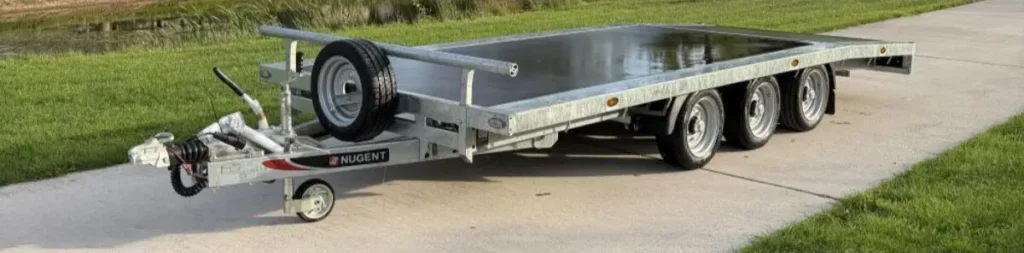
When Does a Flatbed Trailer Make More Sense?
A flatbed trailer is often the more practical option when loading flexibility, usable bed space and access to the cargo are the main priorities. With an open loading platform, flatbed trailers can accommodate materials and equipment that would be difficult to transport inside an enclosed body.
This makes them particularly useful for builders, landscapers, agricultural businesses and other operators regularly moving bulky or palletised loads.
Greater Flexibility for Large and Awkward Loads
One of the main advantages of a flatbed trailer is the absence of an enclosed body restricting the dimensions of the load. This can be useful when transporting items such as timber, palletised building materials, suitable machinery and other bulky equipment.
Depending on the trailer’s design, loads may be positioned using appropriate lifting equipment, with access available from different sides of the platform. However, an open trailer doesn’t mean loads can extend beyond the bed without restriction. The load must still comply with applicable dimensions, weight limits and safe transport requirements.
It’s also important to make sure the trailer has suitable securing arrangements for the type of cargo being carried.
Easier Access for Loading and Unloading
Flatbed trailers can offer considerable advantages when loading and unloading materials. For example, a contractor regularly collecting palletised supplies may find an open platform more convenient than an enclosed trailer, particularly where suitable forklift loading is required. Depending on the model, flatbeds may also be available with removable dropsides or other loading accessories that provide additional flexibility.
When comparing flatbed trailers, consider:
Loading access: Whether the trailer can be accessed from the sides and rear.
Bed dimensions: Enough usable space for the loads you regularly carry.
Payload capacity: Suitable for the combined weight of materials and equipment.
Floor construction: Appropriate for the load and the method used to load it.
Securing points: Suitable for restraining different types of cargo.
Optional equipment: Whether ramps, dropsides or other accessories are available and appropriate.
These details can be particularly important for businesses transporting different loads throughout the working week.
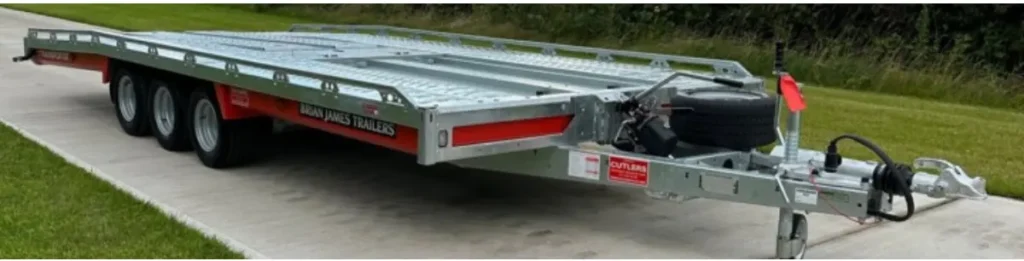
A Practical Option for Building Materials and Equipment
Flatbed trailers are a popular choice for construction and trade work because they provide an accessible platform for a wide variety of loads. For builders and landscapers, this might include pallets of paving materials, timber, fencing supplies or equipment that benefits from open loading access.
The ability to approach the trailer from different directions can be particularly useful when handling bulky materials or using mechanical lifting equipment. That said, flatbed trailers don’t provide the weather protection of an enclosed box van trailer. Materials that need to remain dry will require suitable protection, and all loads must be properly secured.
For businesses transporting a mixture of bulky materials and equipment, these considerations are worth weighing against the benefits of an enclosed trailer.
Payload, Dimensions and Loading: What Matters Most?
Once you’ve decided whether an enclosed box van or open flatbed is better suited to your work, it’s worth comparing the specifications of individual models. Two trailers with similar maximum gross weights can offer very different carrying capacities and loading arrangements.
Payload is particularly important. A flatbed doesn’t automatically have a higher payload than an enclosed trailer. The actual carrying capacity depends on the trailer’s maximum authorised mass (MAM) and unladen weight, so always check the manufacturer’s figures rather than relying on the trailer type alone.
Dimensions also need careful consideration. With a box van trailer, check the internal length, width and height, along with the dimensions of the rear doors or loading ramp. Equipment might fit inside the body but still be too large to pass through the opening.
For flatbeds, usable bed dimensions and loading access are the main considerations. An open platform can accommodate a wider variety of bulky loads, provided they’re within the trailer’s permitted dimensions and weight limits and can be properly secured.
Loading arrangements are another deciding factor. A box van with a suitable rear ramp may be ideal for wheeled equipment, while a flatbed can offer easier access for palletised materials loaded using appropriate lifting equipment.
Cutlers Tip: If you’re comparing two trailers with similar specifications, look closely at how you’ll load and unload them. The most practical choice isn’t always the one with the largest bed or highest payload.
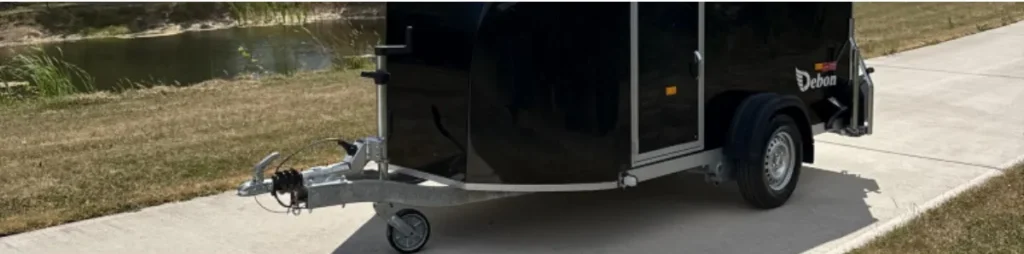
Which Trailer Is Right for Your Business?
The type of work you do will often make the decision between a box van and flatbed trailer much easier.
For businesses transporting valuable equipment or goods that need protection from the weather, an enclosed trailer is often the more practical choice. Where loading access and flexibility are more important, a flatbed may be better suited to the job.
| Business or application | Trailer to consider | Why? |
| Tradespeople carrying tools and equipment | Box van trailer | Enclosed storage and weather protection |
| Builders transporting palletised materials | Flatbed trailer | Accessible loading platform for bulky supplies |
| Events and exhibition businesses | Box van trailer | Protection for furniture, displays and equipment |
| Landscapers moving paving, timber and materials | Flatbed trailer | Flexible loading access for different loads |
| Delivery businesses transporting packaged goods | Box van trailer | Covered transport with enclosed load space |
| Contractors moving bulky equipment | Flatbed trailer | Open platform for larger or awkwardly shaped loads |
These are useful starting points rather than fixed rules. A landscaper transporting expensive tools and smaller equipment might benefit from an enclosed trailer, while a delivery business handling unusually large items could find a flatbed more suitable.
If your work involves several different types of loads, we’d suggest choosing a trailer around what you transport most frequently. Trying to accommodate every occasional requirement can lead to compromises that make everyday use less convenient.
For more general advice on matching a trailer to your workload, see our guide to Choosing the Right Trailer for Your Business.
Explore Box Van and Flatbed Trailers at Cutlers Sales & Hire
Both trailer designs have their advantages, and the right choice depends on the loads you carry, how you handle them and the level of protection they require.
At Cutlers Sales & Hire, we offer a range of enclosed box van trailers and open flatbed trailers from established manufacturers, including Debon and Nugent. With different sizes, payload capacities and loading arrangements available, our team can help you compare the options and find a trailer that suits your requirements.
As a family-run trailer dealership based in Derby, we offer knowledgeable advice alongside trailer servicing and repairs, providing support beyond the initial purchase. Browse our available box van and flatbed trailers online, or get in touch with the Cutlers team to discuss the best option for your business or personal use.