Choosing the Right Trailer for Your Business
Choosing a trailer for your business is about more than finding something that can carry the weight. The right trailer should make everyday jobs easier, suit the equipment or materials you transport and stand up to the demands of regular commercial use.
Whether you’re running a small trade business, transporting equipment between sites or managing deliveries, there are plenty of options to consider. From enclosed box trailers to plant, tipper and flatbeds, each design offers different advantages depending on the work involved.
At Cutlers Sales & Hire, we know that what works well for one business won’t necessarily suit another. In this guide, we’ll help you narrow down the options, understand what matters when choosing a trailer for business use and find a practical solution for the jobs you need to get done.
What Does Your Business Need to Transport?
Before comparing trailer types, think about what you’ll actually be carrying. It sounds straightforward, but there’s a big difference between transporting a compact machine every morning and delivering a mixture of tools, materials and equipment throughout the week.
The weight and dimensions of your loads are important, but so is how they’re handled. A trailer might have enough carrying capacity for a particular job while still being awkward to load, unload or secure.
Start by asking yourself:
What will I carry most often? Machinery, tools, materials, stock or a combination?
Will the loads change? Some businesses transport the same equipment every day, while others need more flexibility.
Does anything need protecting? Weather-sensitive goods, valuable tools and certain types of equipment may benefit from an enclosed trailer.
How will I load it? By hand, using ramps, with a forklift or with other lifting equipment?
Where will I use it? Consider building sites, farms, yards, customer premises and locations where access or manoeuvring space may be restricted.
It also helps to think about the jobs you expect to take on in the future. If your business is growing or you’re planning to invest in larger equipment, choosing a trailer that only just meets today’s requirements could prove limiting. That doesn’t mean automatically buying a bigger trailer than you need. The aim is to find a sensible balance between carrying capacity, practicality and versatility.
Which Type of Trailer Is Best for Your Business?
There isn’t one type of business trailer that suits every industry. Some are designed around transporting particular equipment, while others provide a more flexible loading space for different jobs.
Here’s how the main options compare.
| Trailer type | Best suited to | Main advantage |
| Box trailers | Tools, stock, deliveries and equipment needing enclosed transport | Enclosed protection from the weather |
| Tipper trailers | Soil, aggregate, rubble and other suitable loose materials | Hydraulic tipping makes unloading more straightforward |
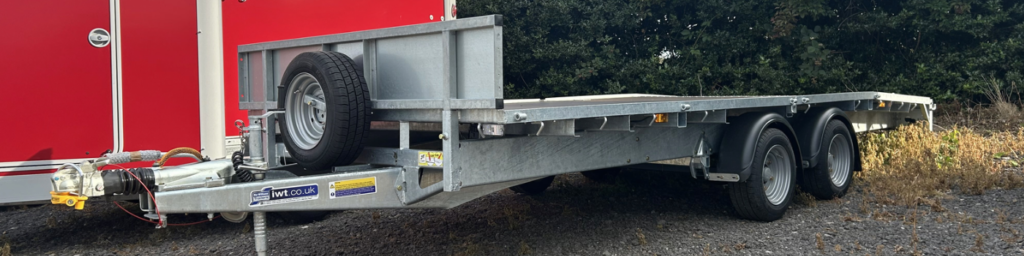
| Plant trailers | Mini diggers, compact machinery and construction equipment | Purpose-designed machinery loading and transport |
| Flatbed trailers | Pallets, bulky materials and equipment | Open loading access, often from multiple sides |
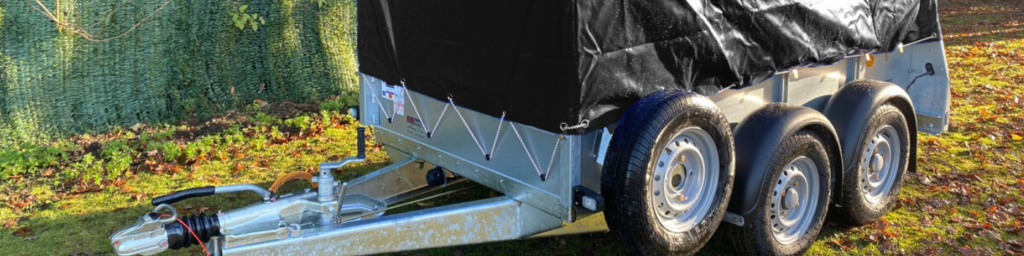
| General purpose trailers | Mixed equipment, tools and everyday materials | Versatility across different jobs |
| Utility trailer | Grounds maintenance equipment and lighter commercial loads | Practical carrying space for a variety of smaller jobs |
Box Trailers: For Equipment and Goods That Need Protection
If your business regularly transports stock, tools or equipment that needs protecting from the weather, a box trailer is worth considering. The enclosed body provides a covered space for carrying goods, which can be particularly useful for deliveries, mobile services and businesses moving equipment between different locations.
Box trailers can also help keep equipment organised and contained during transport. However, loading access, internal dimensions and payload still need careful consideration, particularly if you’re moving bulky items. An enclosed trailer won’t necessarily be the most practical choice for machinery that needs ramp access or materials that are regularly loaded from above.
Tipper Trailers: For Businesses Moving Loose Materials
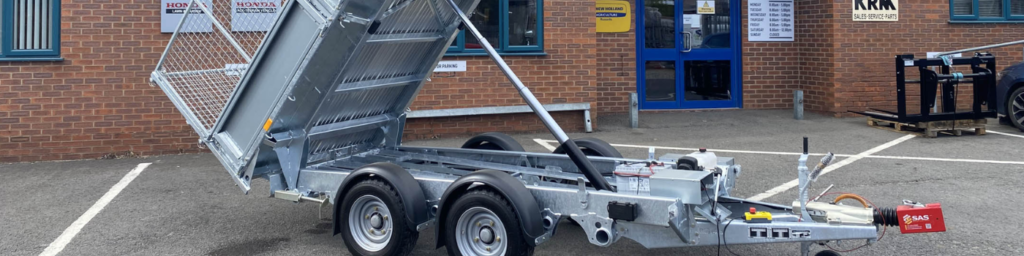
For businesses handling soil, sand, aggregate, rubble or similar materials, a tipper trailer can make unloading considerably more manageable. Rather than relying entirely on manual unloading, the tipping mechanism allows suitable loose loads to be discharged more efficiently. This can be particularly useful for businesses making repeated journeys between suppliers, sites and disposal facilities.
Think about the types of materials you’ll carry, the trailer’s payload and the space available for safe tipping at your usual destinations. If you’re mainly transporting tools or machinery rather than loose materials, a different trailer design may offer greater everyday flexibility.
Plant Trailers: For Regular Machinery Transport
A plant trailer is designed for transporting equipment such as mini diggers, compact loaders and other suitable construction or grounds maintenance machinery. Loading arrangements, ramps and load-securing points are important features here. A trailer specifically designed for machinery transport can be more practical than adapting a general-purpose model to carry equipment regularly.
The key is matching the trailer to the machines you actually use, including their weight, dimensions and any attachments transported alongside them. If machinery transport is a major part of your business, our How to Choose the Right Plant Trailer guide explores those considerations in more detail.
Flatbed Trailers: For Bulky and Varied Loads
Flatbed trailers offer an open loading platform that can be particularly useful for transporting palletised materials, bulky equipment and other loads that benefit from easier access. Depending on the trailer’s design, loading from the sides or using suitable mechanical lifting equipment may be more convenient than working with a fully enclosed body. They’re worth considering for businesses transporting different types of materials throughout the week, particularly where the loads don’t require weather protection.
However, you’ll need to think carefully about load restraint, suitable securing points and whether the open design is appropriate for everything you intend to carry.
General Purpose and Utility Trailers: For Everyday Business Tasks
Not every business needs a specialist trailer. For smaller operations or businesses carrying a mixture of equipment and materials, general purpose trailers and utility trailers can offer a practical alternative. These are particularly useful when your workload changes from one day to the next. You might be transporting tools on one journey, supplies on another and smaller equipment later in the week.
The distinction between general purpose and utility trailers can vary between manufacturers, so compare the actual dimensions, payload, body design and loading arrangements rather than relying entirely on the category name. For many businesses, versatility is the deciding factor. A trailer that can comfortably handle several regular tasks may be a better investment than a specialised design that’s only suitable for occasional work.
Think About Loading and Unloading, Not Just Carrying
One of the easiest things to overlook when buying a trailer for business use is what happens at either end of the journey. A trailer might be perfectly capable of carrying your equipment, but if loading and unloading are awkward, that inconvenience becomes part of every working day.
Think about how your team will use the trailer in practice.
For machinery: Are the ramps suitable for the equipment’s weight, dimensions and ground clearance? Can the machine be loaded and secured correctly?
For pallets and bulky materials: Do you need side access or space for a forklift? Will the trailer’s body or side panels restrict loading?
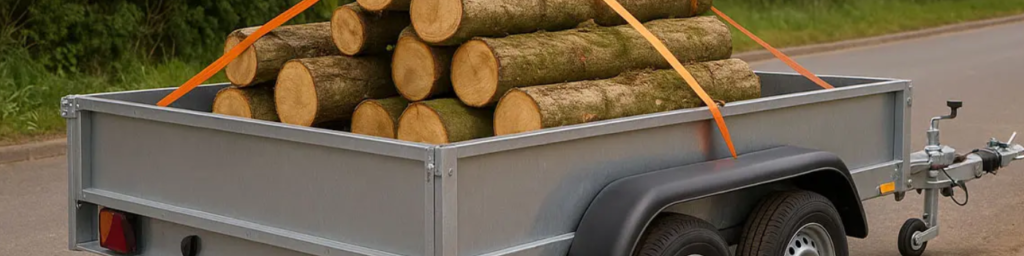
For loose materials: Would tipping save time compared with unloading manually? Is there enough space to operate the tipping mechanism safely at your usual destinations?
For tools and smaller equipment: Is everything easy to access, or will you constantly need to unload one item to reach another?
There’s also the question of load security. The trailer needs appropriate securing points and a suitable arrangement for the loads you carry, whether that’s machinery, building materials or equipment that could move during transport.
Cutlers Tip: Think about the job that causes the most inconvenience with your current setup. Is it loading a machine, unloading materials or finding enough room for everything? That can be a better starting point than comparing trailer specifications alone. The right design should solve a practical problem, not simply give you more carrying space.
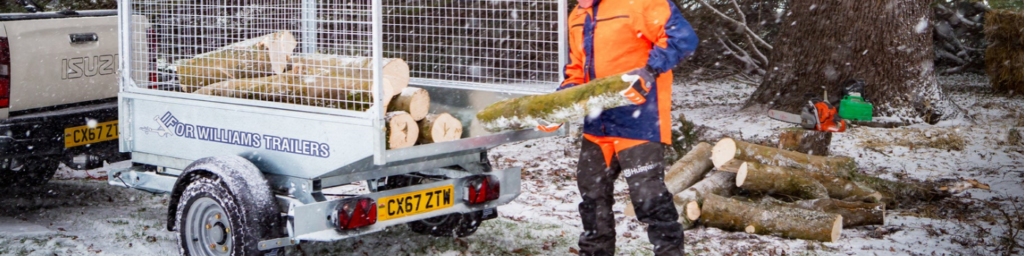
How Often Will Your Business Use the Trailer?
A trailer used for occasional deliveries has a different working life from one that’s loaded, towed and unloaded several times a day. For regular commercial use, it’s worth paying closer attention to the features that will experience the most wear. Depending on the trailer, that might include ramps, floors, hinges, catches, suspension and braking components.
Consider the following differences:
| Occasional business use | Regular commercial use |
| Versatility may be more valuable than specialist features | A purpose-designed trailer may make repeated tasks easier |
| Storage and ease of handling can be priorities | Durability and everyday practicality become more important |
| One trailer may need to cover several different jobs | Consistent loads may justify a more specialised design |
| Purchase cost may carry greater weight in the decision | Maintenance, downtime and ease of operation deserve closer attention |
A trailer that’s used heavily should be chosen with that workload in mind. It isn’t just about how much weight it can legally carry, but whether the overall design is appropriate for the frequency and conditions of use.
At the same time, don’t rule out a specialist trailer simply because your business is small. If you regularly transport the same type of machinery or materials, the right loading arrangement or body design can still make a worthwhile difference. The best business trailer is one that fits the work you do most often, while offering enough flexibility for the other jobs you reasonably expect it to handle.
Check Payload, Towing Capacity and Commercial Requirements
Once you’ve narrowed down the type of trailer your business needs, the next step is making sure it’s suitable for the loads you’ll carry and the vehicle you’ll be towing it with.
It’s worth getting this right before you start comparing individual models. A trailer might offer plenty of loading space, but that doesn’t necessarily mean it can legally carry everything you want to put on it.
There are a few important things to check:
- Payload capacity: The maximum weight of the load the trailer can carry. Remember to include attachments, tools and any other equipment travelling with the main load.
- Maximum gross weight: The maximum permitted weight of the trailer and its contents combined.
- Towing vehicle limits: Your vehicle must be approved to tow the trailer and its load. Check the manufacturer’s towing capacity and the permitted weight of the complete vehicle and trailer combination.
- Load dimensions: Make sure your equipment fits the usable loading area and can be secured correctly.
- Driving licence requirements: Check that the person towing the trailer holds the appropriate licence for the vehicle and trailer combination.
For a more detailed explanation of the different weight ratings, take a look at our Trailer Weights Explained guide. We’ve also put together a separate guide covering What Driving Licence Do You Need to Tow a Trailer?
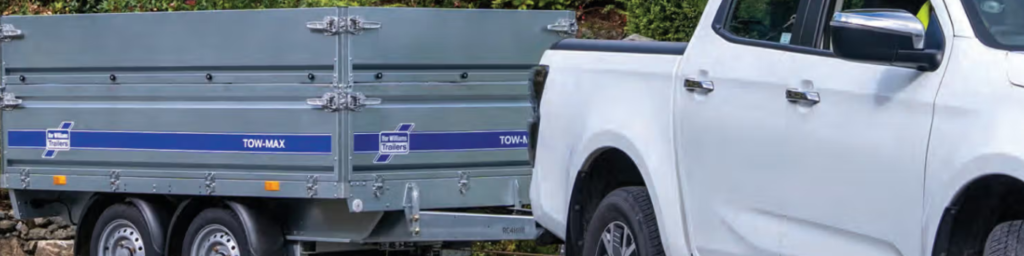
Are There Different Rules for Business Trailer Use?
Using a trailer for work can involve additional responsibilities compared with occasional private towing.
Depending on the vehicle, trailer combination and type of business activity, you may need to consider goods vehicle operator licensing requirements. There are exemptions, so it’s important to check which rules apply to your particular operation rather than assuming every business trailer needs an operator’s licence.
You should also make sure your trailer is properly maintained, your loads are secure and anyone towing on behalf of your business understands the relevant requirements.
If you’re unsure about the rules affecting your operation, the official GOV.UK guidance on goods vehicle operator licensing is a useful starting point.
Think Beyond the Initial Purchase Price
It’s natural to have a budget in mind when looking at business trailers for sale. However, the cheapest option isn’t always the most economical choice over several years of use. A trailer is a working asset, and its ongoing costs deserve just as much consideration as the initial purchase.
What Does a Business Trailer Cost to Own?
Alongside the purchase price, think about:
Servicing and maintenance: Regular checks and servicing help keep your trailer in good working condition, particularly when it’s used frequently.
Tyres and replacement parts: Tyres, brakes, bearings and other components will need attention as the trailer ages.
Insurance: Consider the appropriate cover for the trailer, its contents and the way your business uses it.
Security: Wheel clamps, hitch locks and secure storage can help reduce the risk of theft.
Repairs and downtime: If your business depends on its trailer, unexpected repairs could affect your ability to complete jobs.
It’s also worth thinking about how long the trailer is likely to remain suitable for your work.
For example, a general purpose trailer may be a sensible starting point for a business transporting smaller equipment and materials. But if you’re already planning to invest in heavier machinery, it could be worth considering a more suitable trailer now rather than replacing it sooner than expected.
On the other hand, there’s little benefit in paying for a large specialist trailer if most of its capacity and features will rarely be used.
Cutlers Tip: When comparing two trailers, look beyond the price tag. Think about the jobs each one can handle, how easy it will be to maintain and whether it will still suit your business in a few years’ time.
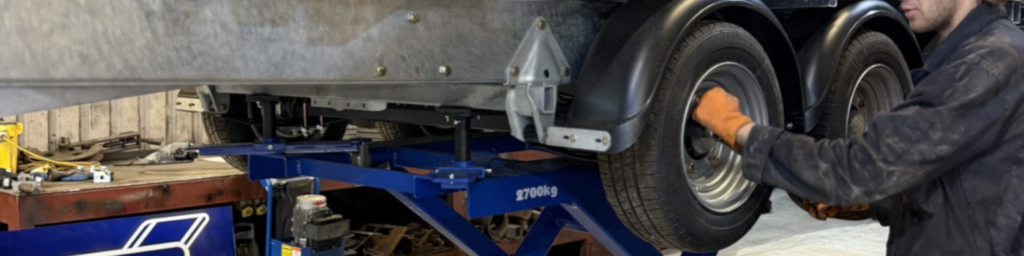
Could Trailer Finance Be Right for Your Business?
Buying a trailer outright isn’t always the preferred option, particularly when you’re also investing in vehicles, machinery, tools or other equipment. For some businesses, trailer finance can provide a way to spread the cost of a purchase rather than paying the full amount upfront.
This may be worth exploring if you’re:
- Starting a business and purchasing your first trailer.
- Replacing an older trailer with a model better suited to your workload.
- Expanding your operation and investing in additional equipment.
- Looking to manage the cost of a more specialised commercial trailer.
Of course, finance won’t be the right choice for everyone. You’ll need to consider the overall amount payable, repayment terms and how any agreement fits your business finances.
At Cutlers Sales & Hire, we can help you explore the trailer finance options available, subject to eligibility and the relevant terms and conditions. The important thing is choosing a trailer that suits your business first, then considering the most appropriate way to pay for it.
Five Questions to Ask Before Buying a Business Trailer
By this stage, you should have a clearer idea of the type of trailer that makes sense for your business. Before making a final decision, it’s worth running through a few practical questions.
1. Will it handle my heaviest regular load?
Check the payload capacity against the equipment and materials you’ll be transporting, including any additional attachments or tools. Make sure the towing vehicle and overall combination are suitable too.
2. Can I load and unload it easily?
Consider ramps, access points, loading height and whether you’ll need mechanical assistance. Think about the places where you’ll actually be using the trailer, not just the space available at your own premises.
3. Is it suitable for the way my business operates?
A trailer used every day may need different features from one used occasionally. Consider how frequently you’ll be loading it, the distances you’ll travel and the conditions it’ll be working in.
4. Will it still meet my needs as the business develops?
Think about whether your equipment, materials or workload are likely to change. A little flexibility can be useful, provided you’re not compromising on suitability for your current work.
5. Have I considered the full cost of ownership?
Look at servicing, maintenance, security and potential repairs alongside the purchase price. If you’re considering finance, make sure you understand the total cost and repayment commitments.
If you can answer these five questions confidently, you’ll be in a much better position to compare the trailers available and make an informed purchase.
Find the Right Trailer for Your Business at Cutlers Sales & Hire
Every business works differently, and finding the right trailer comes down to understanding what you need it to do.
At Cutlers Sales & Hire, we offer a range of trailers for business use, from versatile general purpose and utility trailers to specialist plant, tipper, flatbed and box trailers. Whether you’re buying your first work trailer or upgrading equipment you’ve relied on for years, our team can help you compare the options.
As a family-run trailer dealership based in Derby, we understand the importance of finding something practical, dependable and suited to the work you do. We’ll help you look at the right size, payload and loading arrangements without making the decision more complicated than it needs to be.
Browse our trailers for sale to see what’s currently available, or get in touch with the Cutlers team to discuss your requirements. For more specialist advice, you can also explore our guides to the Best Trailers for Farmers and Agricultural Work and the Best Trailers for Builders, Landscapers and Contractors.