
How to Maintain Your Trailer: A Complete Guide
Regular trailer maintenance helps keep your trailer safe, reliable and ready to use when you need it. Whether you own a horse trailer, plant trailer, tipper or general-purpose trailer, a little ongoing attention can also help you spot wear before it develops into a more expensive problem.
Some maintenance is straightforward to keep on top of yourself, while brakes, bearings and other safety-critical components may need professional inspection and servicing. The key is knowing what to check, what changes to look out for and when to get expert help.
If you’re looking for the checks to make immediately before setting off, our Pre-Journey Trailer Safety Checklist covers those separately.
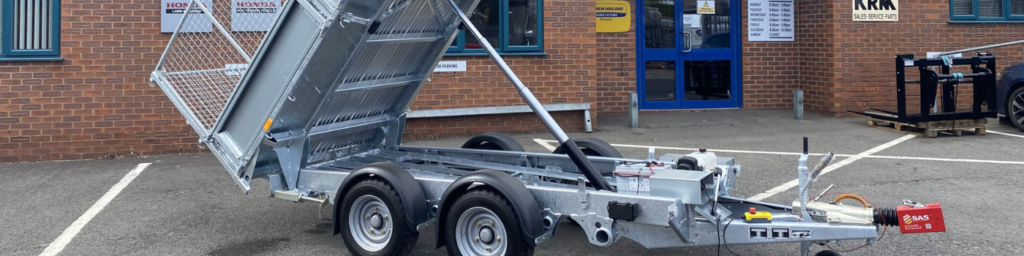
Trailer Maintenance at a Glance
There isn’t one maintenance schedule that applies to every trailer. Age, mileage, workload, storage conditions and manufacturer recommendations all matter.
As a general starting point:
| Area | What to look for | When to check |
| Tyres | Pressure, tread, cuts, bulges, cracking and uneven wear | Regularly and before towing |
| Wheels | Loose or damaged fixings and visible damage | Regularly and before towing |
| Wheel bearings | Play, unusual noise or signs of wear | Periodically and during servicing |
| Brakes | Operation, wear and changes in braking performance | Regularly and during servicing |
| Coupling | Wear, damage and correct operation | Regularly |
| Electrics | Plug, cable, connections and lights | Regularly and before towing |
| Breakaway cable/secondary coupling | Damage, wear and correct operation | Before towing |
| Body and chassis | Damage, corrosion and loose components | Regularly |
| Floor | Wear, damage or deterioration | Regularly |
| Ramps, doors and hinges | Damage, stiffness and secure operation | Regularly |
Use this alongside the maintenance instructions for your individual trailer. Where a manufacturer gives a specific service interval or procedure, follow that guidance.
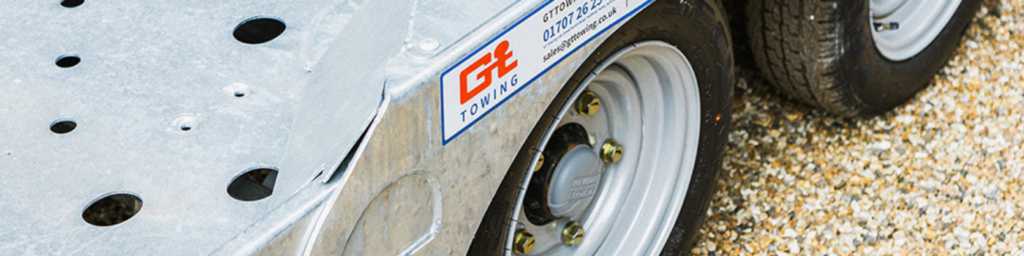
Check Your Trailer Tyres
Trailer tyres can look perfectly serviceable at first glance while still developing problems through age, damage or long periods of inactivity.
Check the pressures against the manufacturer’s specification when the tyres are cold, and inspect the tread and sidewalls for cuts, bulges, cracking or other visible damage. Current UK guidance also requires tyres on light trailers to have at least 1.6mm of tread across the central three-quarters of the tyre and around its full circumference.
Don’t forget the spare if your trailer has one!
Pay attention to uneven tyre wear too. Rather than simply replacing the tyre and carrying on, consider why it has worn unevenly. Alignment, suspension or braking issues can contribute to abnormal wear and may need further investigation.
A trailer that covers relatively few miles still needs its tyres checking regularly. Periods sitting unused don’t prevent tyres from deteriorating, which is particularly relevant to trailers used seasonally or only for occasional jobs.
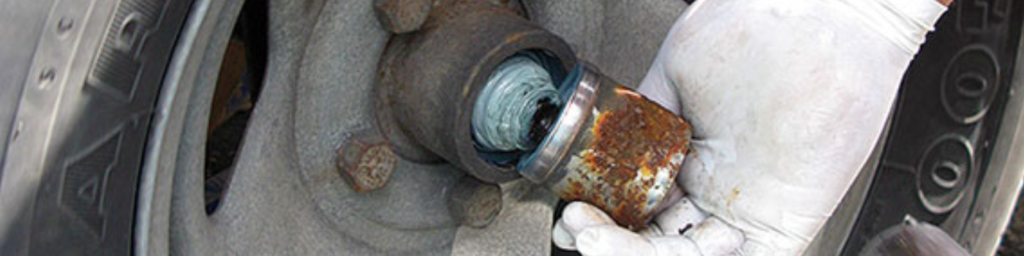
Wheels and Wheel Bearings
Your wheels and bearings have a hard job, especially on trailers regularly carrying heavy loads or travelling over rough ground.
Check wheels for obvious damage and make sure wheel nuts or bolts are secure and tightened to the correct manufacturer-specified torque. This should also form part of your checks before towing.
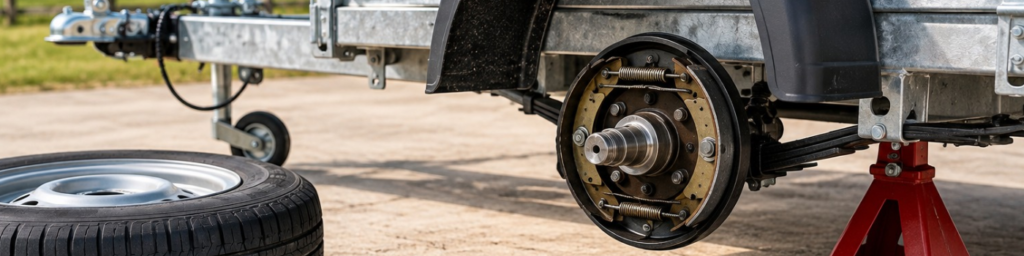
Wheel bearings are less straightforward to assess without the right knowledge and equipment, but there are warning signs worth knowing about. Unusual noise, excessive movement or anything that feels different when the wheel rotates deserves further investigation.
Professional trailer servicing can include checking for bearing play and inspecting the hub and braking components. Different hub designs use different bearing arrangements, so this isn’t an area where we’d recommend following a generic DIY procedure found online.
Cutlers Tip: If something at the wheel doesn’t look, sound or feel right, don’t wait for it to become a roadside problem. Have it checked before using the trailer again.
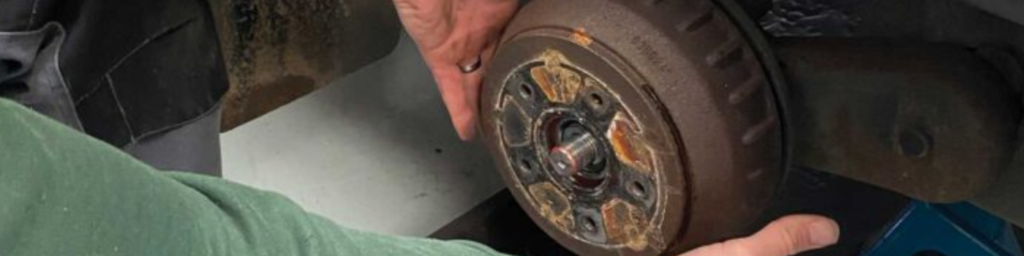
Keep Your Trailer Brakes in Good Condition
If you have a braked trailer, the braking system needs regular attention to continue operating correctly. Changes in braking behaviour can provide an early warning that something isn’t right.
Watch for:
- Brakes that feel weak or ineffective
- Uneven or jerky braking
- Brakes overheating
- A handbrake that isn’t holding correctly
- Banging or excessive movement through the overrun coupling
- A wheel or brake that appears to be sticking
These symptoms can have several possible causes, from adjustment and worn components to problems within the overrun system, so identifying the symptom doesn’t necessarily identify the fault.
Brake adjustment and internal brake work should be carried out correctly for the particular system fitted. If you’re unsure, this is one area where professional inspection makes sense rather than experimenting with adjustments yourself.
Our Braked vs Unbraked Trailers: Which Do You Need? guide explains how the two systems differ if you’d like more background. For maintenance purposes, the important point is simple: if brakes are fitted, they need to work correctly and efficiently.
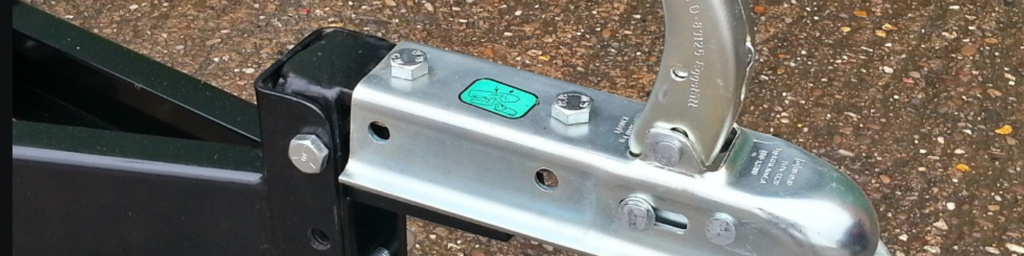
Inspect the Trailer Coupling
The coupling is one of the most important connections in the entire towing setup, so don’t overlook it between journeys.
Check the coupling head for damage, excessive wear and correct locking operation. Any wear indicator fitted to the coupling should also be checked according to the manufacturer’s instructions.
The wider assembly deserves attention too. Look for loose or damaged components and inspect the jockey wheel to make sure it operates correctly and can be secured properly before towing.
Lubrication requirements vary by coupling. Some conventional coupling mechanisms require lubrication, while certain stabiliser-type coupling heads specifically must not be greased, so follow the instructions for the equipment fitted to your trailer rather than applying grease automatically.
Your breakaway cable or secondary coupling should also be inspected for damage and wear. These have different functions depending on the trailer’s braking setup, but either way they are safety equipment rather than an optional extra. GOV.UK advises checking that the relevant connection is undamaged and correctly attached before towing.

Check Your Trailer Lights and Electrics
Trailer electrical problems have a habit of becoming apparent just when you’re ready to leave, so include the electrics in your regular maintenance rather than only checking them at the start of a journey.
Inspect the electrical plug and cable for damage, wear, dirt or deterioration, paying particular attention to areas where the cable could become trapped or dragged. Connections should fit securely and visible wiring shouldn’t be left exposed or vulnerable to damage.
Test the trailer’s:
- Indicators
- Brake lights
- Tail lights
- Number plate illumination
- Other fitted road lighting
If a light repeatedly fails or works intermittently, don’t just keep replacing the bulb. A damaged onnection, plug or section of wiring may need investigating.
Keeping plugs and connections protected from unnecessary moisture and dirt when the trailer isn’t being used can also help prevent problems developing.
The same principle runs through all of these checks: small signs of wear are much easier to deal with while the trailer is at home than once you’re loaded and ready to tow.
Look After the Chassis, Body and Floor
Not every part of trailer maintenance is mechanical. The chassis, body and floor all need regular inspection, particularly on trailers that spend much of their working life exposed to mud, water, road salt and heavy loads.
Start with a general visual check. Look for damage, corrosion, cracks, loose fixings or anything that has changed since you last inspected the trailer. Pay particular attention after a trailer has been heavily loaded, used over rough ground or involved in a knock.
The floor deserves its own check because the type of wear will depend heavily on how the trailer is used. Plant and general-purpose trailers can experience damage from heavy or abrasive loads, while horse and livestock trailers need careful monitoring for deterioration that could affect the integrity of the floor.
Don’t rely only on what you can see from above. Where it’s safe and practical to do so, check accessible areas underneath the trailer too. If you find significant corrosion, structural damage or deterioration you’re unsure about, have it professionally assessed rather than trying to judge whether it’s still safe to use.
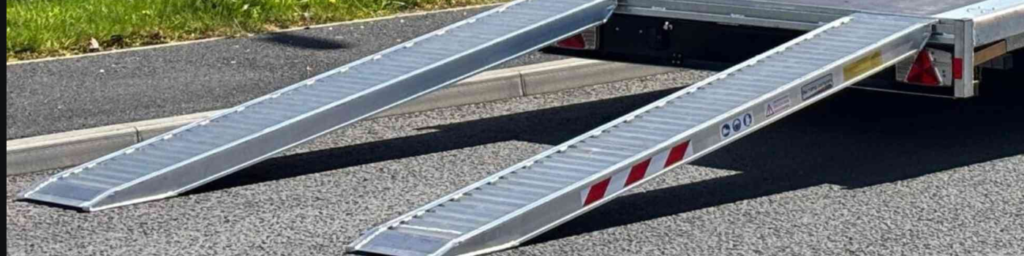
Check Ramps, Doors, Hinges and Moving Parts
Ramps and doors are used repeatedly and can take considerable weight, so check that they open, close and secure as intended.
Look over:
- Hinges and pivot points
- Latches, catches and locking mechanisms
- Ramp supports and assisting mechanisms
- Door and ramp fixings
- Jockey wheels and other adjustable components
- Tipper mechanisms where fitted
Stiffness, excessive movement or a component becoming harder to operate can be an early indication that attention is needed.
Keep suitable moving parts lubricated where recommended by the manufacturer, but avoid treating every hinge or mechanism in the same way. Different materials and components can have different maintenance requirements.
For hydraulic or electrically operated equipment, such as that fitted to some tipper trailers, follow the maintenance instructions for the individual system and investigate leaks, damage or changes in operation promptly.

Keep Your Trailer Clean
Cleaning a trailer isn’t only about appearance. Removing dirt and debris makes it much easier to inspect the trailer properly and can help reduce deterioration over time.
What needs cleaning will depend on how you use it. Mud can build up underneath working trailers, road salt can remain on exposed surfaces after winter journeys, and horse or livestock trailers need animal waste and damp bedding removed promptly.
A sensible routine is to:
- Remove loose dirt, mud and debris.
- Clean areas that have been exposed to road grime, salt or animal waste.
- Allow enclosed areas to dry properly rather than shutting moisture inside.
- Use the opportunity to inspect the floor, body and fittings while they’re clean.
- Deal with damage or deterioration rather than covering it up and forgetting about it.
Take care around electrical components, bearings and other areas where forcing water into seals or connections could create problems rather than solve them.

What If Your Trailer Hasn’t Been Used for a While?
A trailer doesn’t have to be covering miles to deteriorate.
Tyres can lose pressure or age while standing, moisture can affect electrical connections and brakes or moving components may need attention after a long period without use. That’s why a trailer that’s been parked for several months shouldn’t automatically be treated as ready to tow.
Before returning it to regular use, give the trailer a thorough check. Pay particular attention to the:
- Tyres and wheels
- Brakes
- Coupling and jockey wheel
- Breakaway cable or secondary coupling
- Lights and electrical connections
- Floor and chassis
- Doors, ramps and catches
If it has been standing for a particularly long time, or you’re unsure of its condition, a professional inspection before loading it is a sensible precaution.
When Should You Have Your Trailer Professionally Serviced?
There isn’t one servicing interval that suits every trailer. A trailer working regularly with heavy loads has a very different life from one used occasionally for short journeys.
Start with the manufacturer’s servicing requirements for your model and take the trailer’s age, mileage, workload and operating conditions into account.
Professional servicing is particularly valuable because some important components aren’t easy to assess through routine visual checks alone. Brakes, wheel bearings and the overrun system, for example, may require specialist knowledge and equipment to inspect and maintain correctly.
You should also consider getting the trailer checked if you notice:
- A change in braking performance
- Unusual noises or vibration
- Uneven tyre wear
- Excessive movement around a wheel or coupling
- Persistent electrical faults
- Structural damage or significant corrosion
- Any change in how the trailer behaves when towing
If something doesn’t feel right, you don’t need to wait until the next scheduled service to have it investigated.
Trailer Servicing at Cutlers
Cutlers provides professional servicing, maintenance and repairs for a wide range of trailers. As main dealers for Brian James Trailers, Debon, Equi-Trek and Nugent, our team has experience maintaining trailers in line with manufacturer requirements.
We’re also an NTTA member, providing additional reassurance that your trailer is being maintained by an experienced team.
Trailer servicing starts from £125 + VAT, with the final cost depending on the size and model of the trailer. Additional parts are charged separately, but we won’t fit parts at extra cost without contacting you and getting approval first.
Alongside routine servicing, Cutlers can also carry out trailer repairs, insurance work and full trailer rebuilds.
If you’re unsure about a fault or simply want advice on whether your trailer needs attention, you can contact the team for technical advice before booking it in.
Keep Your Trailer Ready for the Next Journey
Good trailer maintenance is largely about dealing with small issues before they become bigger ones. Keep the trailer clean, inspect it regularly, follow the manufacturer’s maintenance requirements and don’t ignore changes in how it looks, operates or tows.
Combine that with our Pre-Journey Trailer Safety Checklist before setting off, and you’ll have a straightforward routine covering both ongoing maintenance and the checks that matter immediately before towing.
For maintenance that needs specialist attention, book your trailer in with Cutlers for servicing or repairs. Our team can inspect the trailer, advise you on anything that needs attention and keep it in good working condition for the journeys ahead.