
How to Prepare and Look After Your Trailer During Winter
Winter can be hard on a trailer. Colder temperatures, wet weather, mud and road salt can all take their toll, while a trailer left standing for several months has a different set of problems to one that remains in regular use.
The first question, therefore, is what will your trailer be doing this winter? You might be putting it away until spring, using it occasionally or relying on it throughout the colder months. Each situation needs a slightly different approach.
Whatever your plans, preparing the trailer before winter arrives can help you spot existing problems and keep it in good condition until the weather improves.
| How you’ll use your trailer | Main winter priorities |
| Regular use | Frequent cleaning, tyres, brakes, lights, floors and dealing with mud and road salt |
| Occasional use | Condition between journeys, tyres, moisture, brakes and thorough checks before towing |
| Winter storage | Clean and dry storage, ventilation, tyres, moving components, batteries where fitted and periodic checks |
These are general principles rather than a replacement for the maintenance instructions supplied with your trailer. Different manufacturers and components can have their own requirements, particularly when it comes to lubrication, batteries and longer periods out of use.
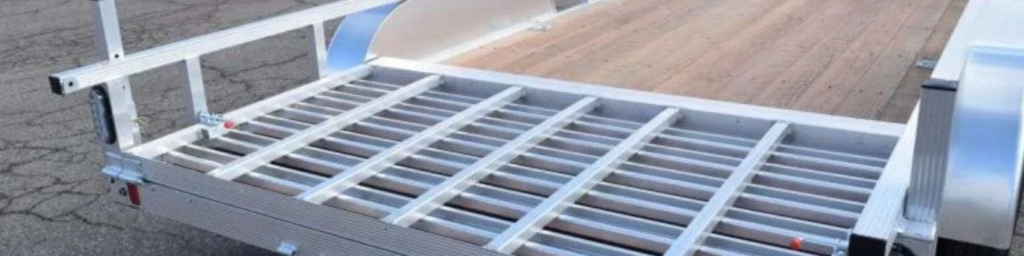
Give Your Trailer a Thorough Clean Before Winter
Whether you’re storing the trailer or carrying on using it, a thorough clean is a good place to start.
Mud and road grime can hide damage and make it difficult to see what’s happening underneath. On horse and livestock trailers, bedding and animal waste shouldn’t be allowed to remain against floors and internal surfaces either.
Clean the exterior, floor, ramps and accessible areas underneath, removing accumulated dirt rather than simply concentrating on the parts you can see. Once you’ve finished, allow the trailer to dry properly.
Cleaning also gives you an opportunity to look more closely at its condition. Check for corrosion, damaged panels, deteriorating floors, loose components and anything else that might be easier to deal with now than after several months of winter weather.
If you’re planning to use a trailer cover, make sure both the trailer and cover are clean and dry first. Choose a cover that’s suitable for the trailer and follow its instructions, particularly around fit and ventilation. Covering a damp trailer and trapping moisture inside defeats much of the purpose.
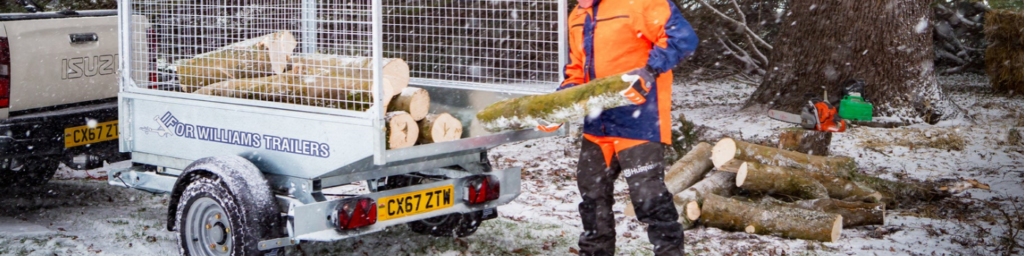
Inspect the Trailer Before Winter Sets In
Think of this as a seasonal health check rather than another pre-journey inspection.
Pay attention to the areas that will matter whether the trailer is being stored or used:
- Tyres and wheels
- Brakes where fitted
- Coupling and jockey wheel
- Breakaway cable or secondary coupling
- Chassis and floor
- Lights and electrical connections
- Ramps, doors and catches
- Other moving components
If something is already worn or damaged, winter isn’t going to improve it. Dealing with existing faults before storage also means you aren’t discovering them on the day you want the trailer back on the road.
Our How to Maintain Your Trailer: A Complete Guide goes into each of these areas in more detail.

Pay Particular Attention to the Tyres
Tyres deserve attention throughout the year, but winter can present two different scenarios.
If you’re continuing to tow, regularly check tyre pressure and condition. GOV.UK advises checking that trailer tyres are free from cuts and bulges and inflated to the manufacturer’s specification for the load being carried. Light trailer tyres must also have at least 1.6mm of tread across the central three-quarters and around the entire circumference.
Importantly, that means using the manufacturer’s specified pressure, rather than assuming the pressure moulded into a tyre sidewall is automatically the correct operating pressure for your trailer.
If the trailer is going to remain stationary for an extended period, continue checking its tyres rather than forgetting about them until spring. Look for loss of pressure, cracking, damage or deterioration. Tyres can age even on trailers that cover relatively few miles, so low mileage isn’t in itself proof that they’re in good condition.
We wouldn’t recommend universally jacking trailers up, placing them on blocks or moving them periodically simply to follow a generic winter checklist. How a particular trailer should be supported or stored depends on its design and manufacturer guidance.
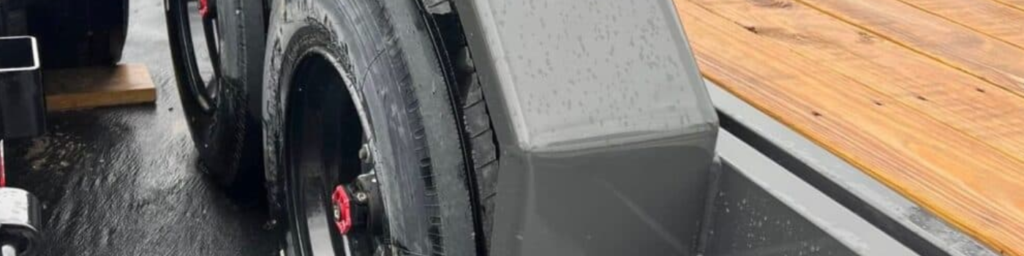
Check Brakes and Moving Components
A trailer that’s going into storage should be put away in good working order, particularly if it’s fitted with brakes.
If you’ve noticed sticking, unusual noises, poor braking performance or changes in the operation of the overrun system, investigate them rather than leaving the problem until the trailer is needed again. UK towing rules require any brakes fitted to a trailer to be in good working order.
The same principle applies to jockey wheels, hinges, catches, ramps and other moving components.
- Lubrication can form part of trailer maintenance, but this is an area where it’s important not to reach automatically for a tin of general-purpose lubricant.
- Components have different requirements and some coupling systems require particular treatment. Use the correct lubricant where specified and follow the manufacturer’s maintenance instructions.
- For anything involving the internal braking system, wheel bearings or other safety-critical components, professional servicing is preferable if you don’t have the appropriate knowledge and equipment.

Keep Moisture Under Control
Winter storage isn’t simply about keeping rain off the outside. Moisture trapped inside a trailer can cause problems too. This is particularly important with enclosed trailers, horse trailers and other designs where damp air can remain inside for long periods.
Before putting the trailer away:
- Make sure the interior is clean and properly dry.
- Remove wet or damp materials.
- Check accessible seals and openings for obvious damage.
- Use ventilation as intended by the trailer manufacturer.
- Avoid covering or sealing the trailer in a way that unnecessarily traps moisture.
Check the trailer periodically during storage too. A small leak or damaged seal discovered early is much easier to deal with than several months of unnoticed water ingress.
For horse trailers, take particular care around the floor. Removing bedding and waste and allowing the interior to dry properly before storage makes it much easier to inspect the floor and identify deterioration.
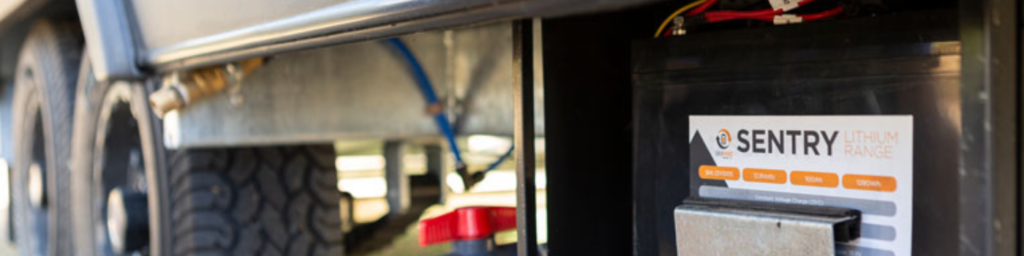
What About Trailer Batteries and Powered Equipment?
Not every trailer has a battery, but powered tipping systems and other electrical equipment mean battery care can be an important part of winter preparation for some owners.
There isn’t one correct storage procedure for every battery or electrical system. Depending on what’s fitted, the manufacturer may recommend a particular charging, isolation or storage procedure.
Rather than automatically disconnecting a battery for several months, check the instructions for the system fitted to your trailer. The aim is to avoid returning in spring to a deeply discharged or damaged battery while also maintaining the equipment correctly.
Inspect exposed electrical connections and cables at the same time. Damage or deterioration is better addressed before storage than discovered when you next need the trailer.

Using Your Trailer Throughout Winter
For plenty of trailer owners, winter storage simply isn’t an option. Plant, tipper and utility trailers may continue working throughout the year, while horse, car and general-purpose trailers can still be needed regularly.
In that case, winter preparation isn’t a one-off job. Your maintenance routine needs to respond to the conditions the trailer is working in.
One of the biggest changes is how dirty a working trailer can become. Wet roads, mud and winter road contamination can accumulate quickly underneath and around components. Clean the trailer regularly rather than allowing layers of dirt to build up for months.
Pay particular attention after journeys on treated roads. Rinsing away accumulated road contamination and allowing the trailer to dry gives you a much better chance of seeing corrosion, damage or other developing problems.
Winter also makes some basic checks more important. GOV.UK requires trailers to be roadworthy before towing, including legal tyres, working brakes where fitted and correctly functioning lights.
Keep an eye on:
- Tyres: Check pressure, tread and condition regularly.
- Lights: Keep lenses, reflectors and the number plate clean and visible.
- Brakes: Don’t ignore changes in operation or a wheel that appears to be sticking.
- Floors and ramps: Clear mud, water and debris that could make loading surfaces difficult to use safely.
- Coupling: Keep it clean and check that it continues to operate correctly.
- Electrical connections: Protect them from unnecessary dirt and moisture and investigate intermittent faults.
- Doors and catches: Make sure they continue to close and secure correctly.
The colder months aren’t necessarily a reason to stop using a trailer. They are a reason to pay closer attention to its condition between journeys.
GOV.UK specifically recommends a final maintenance check before towing a trailer that has been left unused over winter, with particular attention paid to tyre condition and pressure.
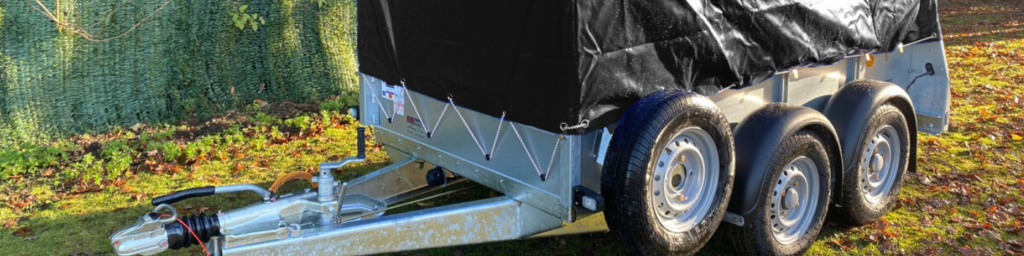
If You’re Storing Your Trailer for Winter
If your trailer is unlikely to be used for several months, winter preparation is less about one individual maintenance job and more about leaving the whole trailer in the right condition.
By this point, it should be clean, dry and inspected, with any known problems dealt with rather than left until spring. The next consideration is where and how it will spend the winter.
Where possible, choose a firm, well-drained surface rather than leaving the trailer on soft or waterlogged ground. Think about exposure too. A sheltered location may offer more protection from prolonged wet weather, falling debris and strong winds, provided the trailer remains suitably ventilated.
Before leaving it for an extended period:
- Make sure doors, ramps and catches are properly secured.
- Remove anything inside that could retain moisture or cause deterioration.
- Follow manufacturer guidance for batteries and powered equipment where fitted.
- Check that tyres are correctly inflated and in good condition.
- Make sure the trailer is stable and parked appropriately for its design.
- Consider how you’ll maintain ventilation in enclosed trailers.
- Put suitable security measures in place.
This isn’t a case of preparing the trailer once and forgetting about it until spring. A stored trailer should still be checked periodically throughout the winter.
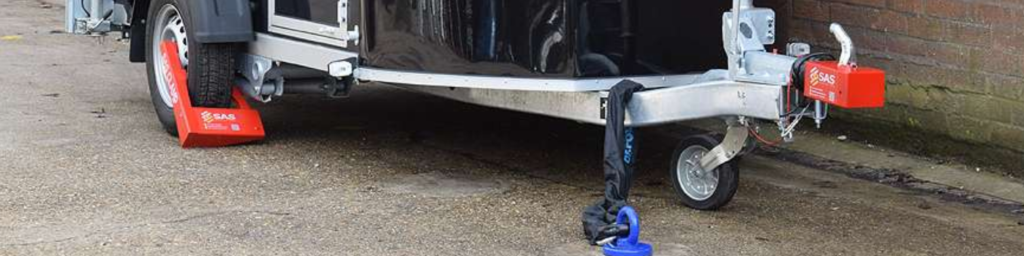
Don’t Forget Security During Winter Storage
A trailer that isn’t being used for several months may also spend longer periods unattended, so security should form part of your winter storage plan.
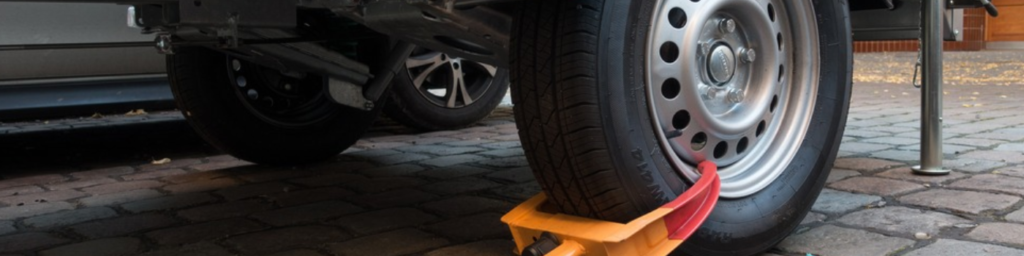
Think about security in layers rather than relying on one measure. Depending on your setup, this could include suitable hitch and wheel security, restricted access to the storage area, a fixed security point and tracking equipment.
It’s also worth checking whether your insurance policy specifies particular security measures or storage conditions.
We won’t repeat all of that advice here. Our Trailer Security Tips: How to Protect Your Trailer from Theft guide covers physical security, storage positioning, tracking, identification and insurance requirements in much more detail.
Check on a Stored Trailer During Winter
Putting a trailer into storage doesn’t mean you shouldn’t see it again for four months.
Periodic checks give you an opportunity to catch problems that have developed while the trailer has been standing. How frequently this is necessary will depend on the trailer and storage conditions, but the principle is simple: don’t assume that no use means no change.
When you check the trailer, look for obvious signs of:
- Tyre pressure loss or deterioration
- Water ingress or excessive moisture
- Damage following bad weather
- Corrosion or deterioration
- Problems with a cover, if one is being used
- Damage to doors, seals or other external components
- Issues with security equipment
- Battery condition where applicable
For enclosed trailers, check inside as well as outside. Damp smells, condensation or visible moisture deserve attention rather than being left until the trailer comes out of storage.
Following particularly severe weather, an additional check is worthwhile, especially if the trailer is stored outside.
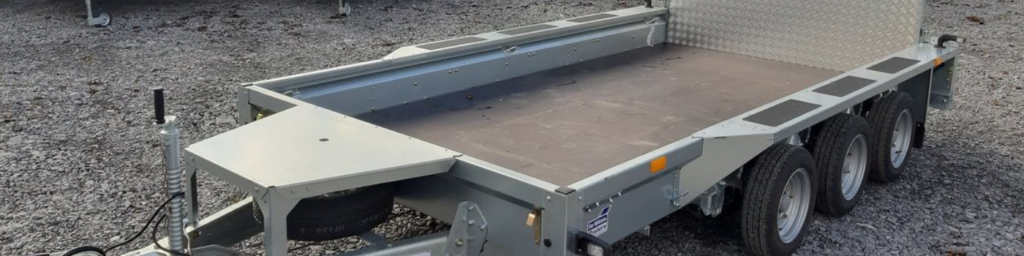
Getting Your Trailer Back Into Use After Winter
When it’s finally time to use the trailer again, don’t assume it’s ready to tow simply because everything was working when you put it away.
Give yourself time to inspect it before the day you actually need it. That way, a flat tyre, electrical fault or sticking component doesn’t become a last-minute problem.
Start with the tyres. Check their pressure and inspect the tread and sidewalls carefully for cracking, bulges, cuts or other deterioration. GOV.UK specifically advises carrying out a final maintenance check before towing a trailer that has been unused over winter, paying particular attention to tyre pressure and condition.
Then work systematically around the trailer:
Coupling and safety connection
Check that the coupling operates correctly and inspect the breakaway cable or secondary coupling, depending on the trailer.
Wheels and brakes
Look for anything unusual around the wheels and make sure the brakes and handbrake, where fitted, operate correctly. If something is sticking, noisy or doesn’t feel right after a long period standing, have it investigated.
Lights and electrics
Connect the trailer to the tow vehicle and test the road lights rather than assuming they’ll work because they did several months ago.
Floor, chassis and body
Look for deterioration, corrosion, water ingress or damage that may have developed during storage.
Doors and ramps
Make sure everything opens, closes and secures properly before loading.
Powered equipment
Check batteries, tipping systems and other fitted equipment according to the manufacturer’s instructions.
Once the trailer is ready to tow, our Pre-Journey Trailer Safety Checklist gives you the final set of checks to make before setting off.
Is Winter a Good Time to Service Your Trailer?
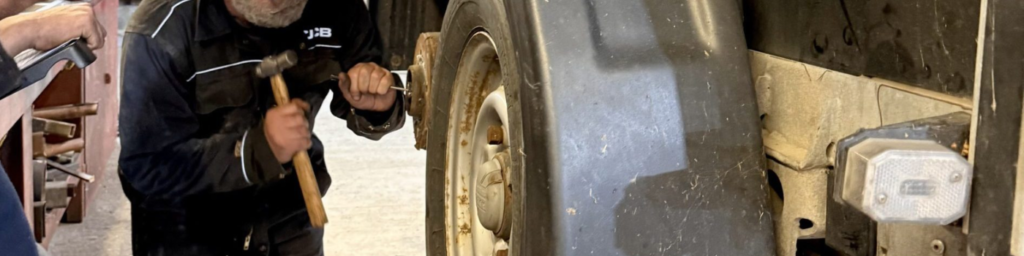
If the trailer is going to spend less time working during winter, that period can provide a convenient opportunity to have servicing, repairs or other maintenance completed before it’s needed more regularly again.
That doesn’t mean every trailer automatically needs servicing simply because winter has arrived. Follow the servicing requirements for your particular trailer and consider its age, workload, condition and how heavily it has been used.
It may be particularly worth arranging an inspection if you’ve noticed:
- Changes in braking performance
- Unusual wheel or bearing noise
- Uneven tyre wear
- Problems with the coupling
- Persistent electrical faults
- Damage to the chassis, body or floor
- Components becoming stiff or difficult to operate
Having these issues dealt with while the trailer is out of regular use is preferable to discovering them when the busy season starts again.
Winter Trailer Servicing at Cutlers
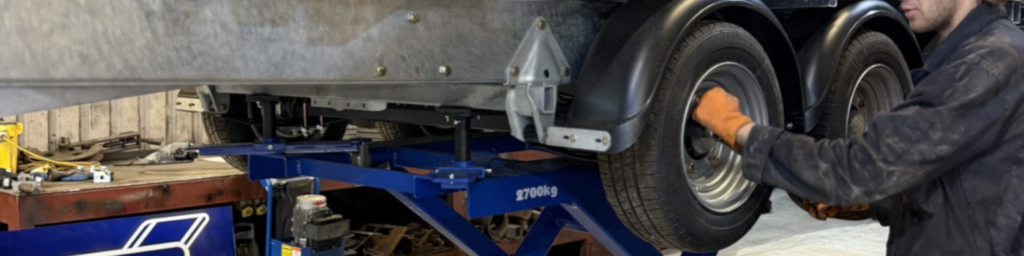
Cutlers provides professional trailer servicing, maintenance and repairs, with experience maintaining trailers from Brian James Trailers, Debon, Nugent and Cheval Liberté to manufacturer requirements.
As an NTTA member, we can also help if you’re unsure whether something you’ve spotted during your winter checks needs professional attention.
Servicing starts from £125 + VAT, depending on trailer size and model. Any additional parts are charged separately, and we’ll contact you for approval before fitting parts that incur an additional cost.
We can also carry out repairs, insurance work and full trailer rebuilds where required.
Keep Your Trailer Ready for Whatever Winter Brings
Winter doesn’t automatically mean putting your trailer away until spring. For many owners, the trailer will continue working throughout the colder months. Others may not need theirs again for several months.
What matters is adjusting how you look after it accordingly.
If you’re continuing to tow, more frequent cleaning and condition checks can help you stay on top of the additional dirt, moisture and road contamination that comes with winter use. If you’re storing the trailer, put it away clean and dry, follow the appropriate manufacturer guidance and continue checking on it while it’s standing.
Then, when it’s time to get back on the road, give the trailer a proper inspection rather than simply hitching up and setting off. Combined with regular maintenance and sensible storage, that seasonal routine can help keep your trailer in good condition through winter and ready for the work, journeys and adventures ahead.