
The Best Trailers for Builders, Landscapers and Contractors
A reliable trailer is an important piece of equipment for builders, landscapers and contractors who regularly transport machinery, materials and tools between jobs. Whether you’re moving a mini digger, collecting building supplies or transporting equipment to site, choosing the right trailer can make a real difference to how efficiently you work.
At Cutlers Sales & Hire, we supply a wide range of trailers suitable for professional use, including models from established manufacturers such as Brian James and Nugent. From specialist plant trailers to versatile flatbeds and tippers, there are plenty of options depending on the loads you carry and how you need to handle them. In this guide, we’ll look at the best trailers for builders, landscapers and contractors, the differences worth considering and what to look for when choosing a trailer for regular trade use.
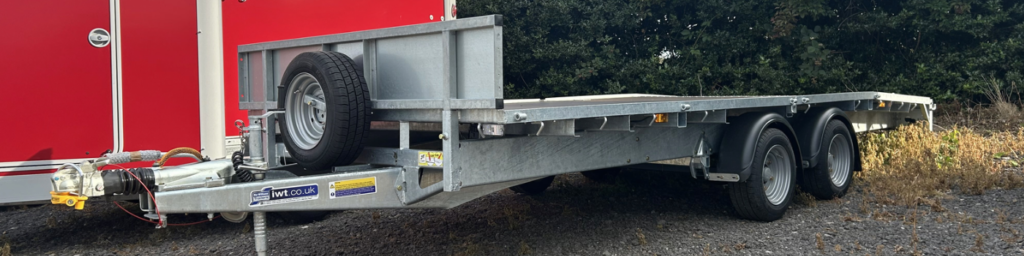
Choosing a Trailer for Construction and Trade Work
When you’re using a trailer regularly for work, the right specification matters just as much as the trailer type.
Two trailers might have similar maximum gross weights but offer different payload capacities, loading arrangements and usable bed dimensions. These differences can become particularly important when you’re transporting heavy machinery or working across sites with limited access.
Before comparing individual models, it’s worth thinking about:
Payload capacity: Can the trailer accommodate your regular loads, including attachments and additional equipment?
Loading arrangements: Are the ramps, loading angle and access points suitable for the machinery or materials you transport?
Bed dimensions: Is there enough usable space for your equipment, particularly when carrying awkward or bulky loads?
Floor and chassis construction: Is the trailer designed for the type and frequency of work you expect it to handle?
Load security: Are there suitable securing points for the machinery and materials you’ll be transporting?
Site access: Will the trailer fit comfortably through the entrances and restricted spaces you regularly encounter?
It’s also worth thinking about how your requirements might change. If you’re planning to upgrade your machinery or take on larger projects, a trailer that only just accommodates your current equipment could become limiting. That doesn’t mean buying more capacity than you need. It’s about choosing a trailer that suits your workload without introducing unnecessary compromises.
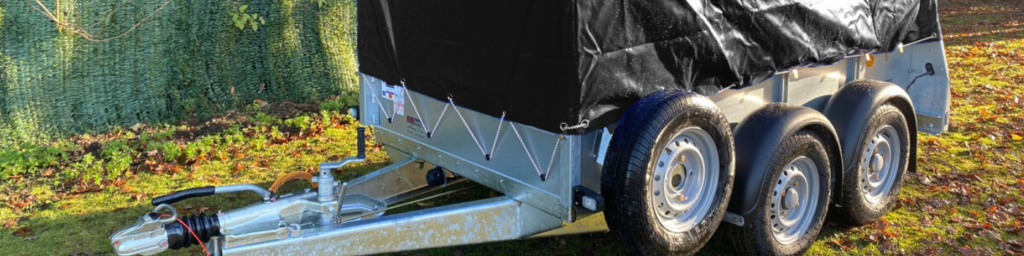
Which Trailers Are Best for Builders and Contractors?
The best trailer for construction or landscaping work depends on the loads you transport most often. Some are designed specifically for machinery, while others offer more flexibility for moving materials and equipment.
Here’s how the main options compare.
| Trailer type | Typical applications | Features worth comparing |
| Plant trailers | Mini diggers, dumpers and compact construction machinery | Payload, ramp capacity, loading angle and securing points |
| Tipper trailers | Soil, aggregate, rubble and other suitable loose materials | Hydraulic tipping, body construction and payload |
| Flatbed trailers | Pallets, timber, paving materials and bulky equipment | Bed dimensions, side access and loading arrangements |
| Beavertail trailers | Suitable wheeled machinery and vehicles | Rear loading angle, ramp design, payload and usable bed space |
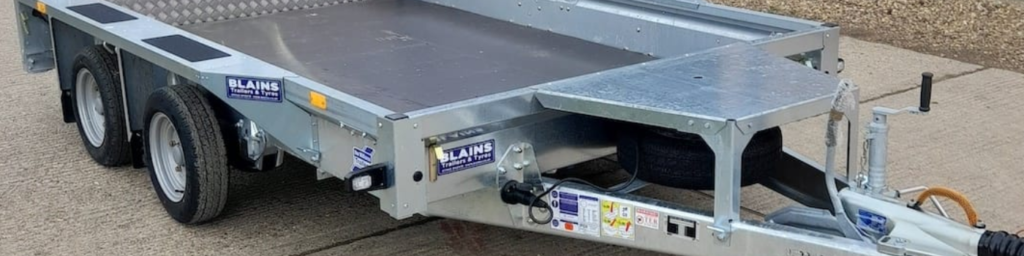
Plant Trailers for Mini Diggers and Construction Machinery
For contractors regularly transporting mini diggers, dumpers and other compact machinery, a purpose-built plant trailer is often the most practical option.
The main considerations are payload, bed dimensions and loading arrangements. It’s important to make sure the trailer can accommodate the machine’s operating weight, along with any buckets, attachments or additional equipment being transported.
Ramp design is another important factor. The ramps need to have sufficient load capacity and provide a suitable loading angle for the machinery involved. Ground clearance, track width and the position of the machine on the trailer all deserve attention.
When comparing plant trailers, look at:
- Ramp capacity and design: Suitable for the weight, dimensions and loading requirements of your machinery.
- Payload: Enough capacity for the machine and any attachments being carried.
- Bed dimensions: Sufficient usable space for loading and securing equipment correctly.
- Securing points: Suitable arrangements for restraining machinery during transport.
- Floor and chassis construction: Appropriate for the loads and frequency of use.
Manufacturers such as Nugent and Brian James offer plant trailers designed for professional machinery transport, with different specifications and loading arrangements available. At Cutlers, we can help you compare suitable models based on the machinery you use, rather than relying on maximum gross weight alone.
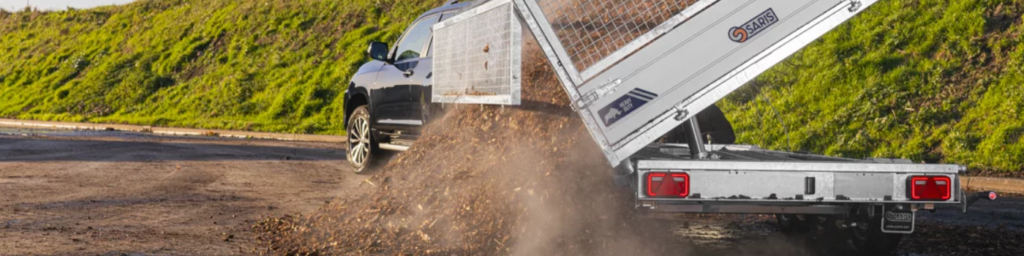
Tipper Trailers for Aggregates, Soil and Site Waste
A tipper trailer is worth considering if your work regularly involves transporting soil, aggregate, rubble or other suitable loose materials. For builders, groundwork contractors and landscapers, the main advantage is the ability to discharge loads using the trailer’s hydraulic tipping system. However, it’s important to compare more than just the tipping mechanism.
Payload capacity, body construction and tailgate arrangements all influence how suitable a tipper will be for regular use.
A few details worth checking include:
- Hydraulic tipping system: The operation and lifting arrangement used to raise the body.
- Body and floor construction: Suitable for the weight and type of materials being transported.
- Payload capacity: Particularly important when carrying dense materials such as stone or aggregate.
- Tailgate design: Appropriate for the materials being discharged.
- Loading access: Whether the trailer can be loaded safely using your usual equipment.
One consideration that’s easy to overlook is the weight of loose materials. A trailer carrying dense aggregate can reach its payload limit well before the body is full, so it’s important to work from actual load weights rather than volume alone.
For landscapers who regularly transport soil, decorative stone, aggregates and other materials, a tipper can be a particularly useful addition to their equipment. Nugent tipper trailers are among the options available for professional use, with different sizes and specifications to suit a range of requirements.
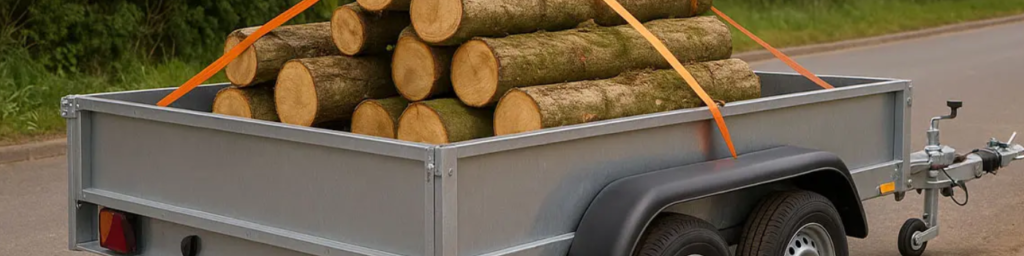
Flatbed Trailers for Building Materials and Bulky Loads
For businesses regularly moving palletised materials, timber, paving products and bulky equipment, flatbed trailers offer a versatile loading platform.
The open design can make it easier to access the load from different sides, particularly when using suitable mechanical lifting equipment. Depending on the model, removable side panels or dropsides can provide additional flexibility.
Usable bed dimensions are especially important when comparing flatbeds. A trailer might have enough payload for the load but insufficient space to position and secure it correctly.
For regular trade use, we’d suggest paying attention to:
- Bed length and width: Suitable for the dimensions of your regular loads.
- Payload capacity: Enough for the materials and equipment being transported.
- Loading access: Side access, removable panels and compatibility with your loading equipment.
- Securing arrangements: Appropriate lashing points for different types of loads.
- Floor construction: Suitable for the loads and loading methods involved.
Flatbed trailers can be particularly useful for contractors whose work involves a mixture of materials rather than one specific type of machinery.
However, the open design means weather protection and load security need careful consideration. Materials must be properly restrained, and suitable protection may be necessary for loads that shouldn’t be exposed to the elements.
Beavertail Trailers for Wheeled Equipment and Vehicles
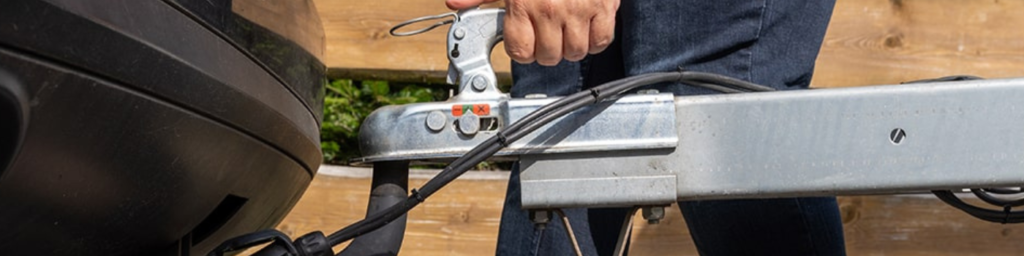
A beavertail trailer has a sloping rear section that helps reduce the approach angle when loading suitable wheeled machinery or vehicles. This can be useful for contractors transporting equipment where ground clearance makes loading onto a conventional flatbed more difficult.
However, not every beavertail trailer is suitable for every type of machinery. Payload, ramp capacity, bed dimensions and the equipment’s ground clearance all need to be checked.
When comparing beavertail trailers, consider:
- Rear loading angle: Whether the approach is suitable for your equipment.
- Ramp design and capacity: Appropriate for the machinery or vehicle being loaded.
- Usable bed dimensions: Enough space to position and secure the load.
- Payload capacity: Suitable for the equipment and any additional items being carried.
- Load-securing points: Correctly positioned and rated for the intended load.
For contractors transporting different types of wheeled equipment, a beavertail design may offer advantages over a conventional higher-bed trailer.
If you’re regularly moving tracked machinery, however, a dedicated plant trailer may be more appropriate. The decision should be based on the equipment’s specifications and the trailer’s approved loading arrangements rather than the body style alone.
Plant Trailer, Tipper or Flatbed: Which Is the Better Investment?
For builders, landscapers and contractors who regularly transport different types of loads, choosing between a specialist trailer and a more versatile design isn’t always straightforward.
A plant trailer might be the obvious choice for moving a mini digger, but what if you also need to transport paving materials or site equipment? Similarly, a tipper can be useful for loose materials, but it may not offer the loading arrangements you need for regular machinery transport.
The best approach is to look at the jobs you carry out most often and decide which trailer offers the fewest compromises.
Plant Trailer vs Tipper Trailer
If you’re regularly moving mini diggers, dumpers or other compact machinery, a dedicated plant trailer is generally the better starting point. Its loading arrangements and securing points are designed around machinery transport.
A tipper trailer, on the other hand, is better suited to businesses that frequently carry and unload loose materials. Some tipper models can also accommodate suitable machinery when fitted with the appropriate loading equipment, but this needs to be checked against the manufacturer’s specifications.
If machinery transport makes up most of your workload, we’d usually suggest looking at plant trailers first. If you’re spending more time moving aggregate, soil or rubble, a tipper may offer greater practical value.
Tipper Trailer vs Flatbed Trailer
This is a particularly relevant comparison for landscapers and general building contractors.
A tipper is well suited to loose materials that need to be discharged regularly. A flatbed offers more flexibility for palletised loads, bulky building materials and equipment that benefits from open loading access.
For example, if you’re regularly collecting pallets of paving slabs, timber and other building supplies, the loading arrangements of a flatbed may be more useful than a tipping body. However, if your work involves frequent deliveries of soil, aggregate and similar materials, the ability to tip the load could make a significant difference.
Plant Trailer vs Beavertail Trailer
Both trailer types can be used to transport suitable machinery, but their loading arrangements are different. Plant trailers are purpose-designed for machinery transport, often incorporating loading ramps and securing arrangements suited to compact construction equipment.
Beavertail trailers use a sloping rear section to help reduce the loading angle, which can be useful for certain wheeled machines and vehicles. The deciding factors should be the machinery’s weight, dimensions, ground clearance and loading requirements.
If you’re transporting tracked equipment, make sure the trailer’s floor, ramps and loading arrangements are approved for that particular use.
Quick Comparison: Which Trailer Should You Choose?
| Your main workload | Trailer worth considering |
| Regular mini digger and compact plant transport | Plant trailer |
| Frequent movement of soil, aggregate and loose waste | Tipper trailer |
| Palletised building materials and bulky equipment | Flatbed trailer |
| Suitable wheeled machinery and vehicle transport | Beavertail trailer |
| A mixture of machinery and loose materials | Compare suitable plant and tipper configurations |
| Varied building supplies and equipment | Flatbed trailer with appropriate loading options |
These are starting points rather than fixed rules. Individual trailer specifications, accessories and loading arrangements can make a considerable difference.
Cutlers Tip: If you’re regularly choosing between two trailer types, think about which job you do most often and which would be hardest to manage with the wrong equipment. That usually gives you a better starting point than trying to find one trailer that does absolutely everything.
What Matters When Your Trailer Is Used on Site Every Day?
For businesses that rely on their trailers throughout the working week, practical details can be just as important as headline specifications.
Regular loading, travelling between sites and working in restricted spaces all place demands on a trailer. It’s worth looking closely at how individual models are built and how they’ll fit into your everyday operation.
Site Access and Manoeuvrability
Construction sites and residential landscaping projects don’t always offer generous access or space for manoeuvring. Overall trailer length and width are worth checking, particularly if you’re regularly working on domestic driveways, narrow access roads or sites with restricted entrances.
It’s also important to consider the space required for loading ramps, tipping operations and unloading equipment. A trailer might fit comfortably through a site entrance but still be difficult to position for unloading. If you’re working in restricted spaces regularly, these details are worth discussing before buying.
Loading and Securing Machinery
Machinery transport needs careful attention to loading arrangements and load restraint. Ramps must be suitable for the weight and dimensions of the equipment being loaded, while the trailer needs appropriate securing points for the intended load.
It’s also important to account for additional attachments, buckets and tools. These all contribute to the total weight being carried and need to be properly secured.
When comparing trailers, look at the position and accessibility of securing points, particularly if you regularly transport different machines. A suitable trailer should allow equipment to be loaded, positioned and restrained correctly without relying on improvised arrangements.
Durability and Regular Maintenance
A trailer used for professional work will experience wear over time, particularly when it’s regularly carrying heavy equipment or operating in muddy and dusty conditions.
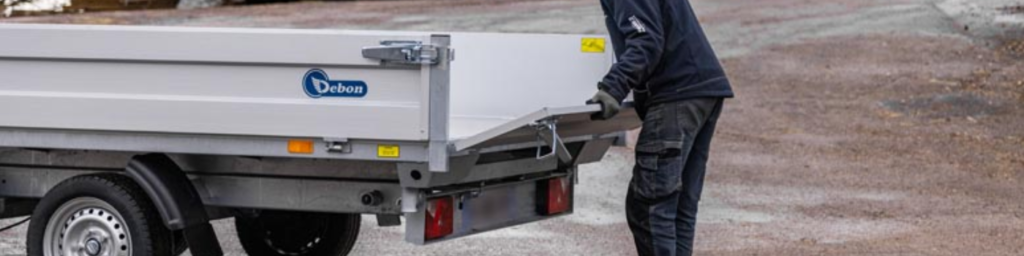
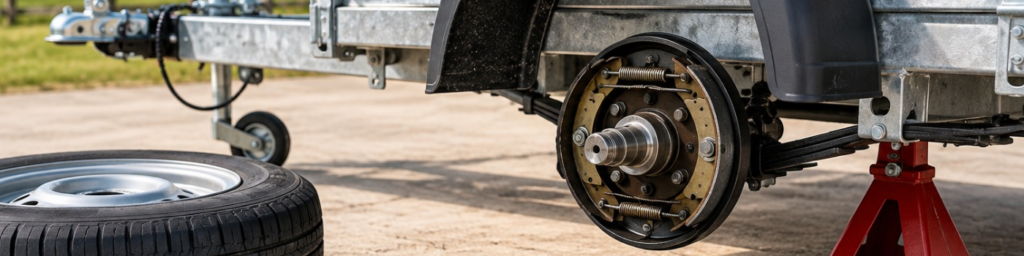
Pay attention to the condition and construction of the floor, ramps, hinges, catches and other components that experience repeated use. Tyres, brakes, bearings, lights and the coupling also need regular inspection and maintenance. Keeping the trailer clean can make it easier to spot damage or developing problems, particularly around the chassis and running gear.
At Cutlers Sales & Hire, we provide trailer servicing and repairs, helping customers maintain their trailers and address issues before they become more serious.
Our How to Maintain Your Trailer guide also covers the checks and maintenance tasks worth keeping on top of.
Payload and Towing Compatibility
Before settling on a trailer, make sure its payload is sufficient for your heaviest regular loads and that your towing vehicle is suitable for the complete combination. Remember that the weight of machinery attachments, tools and additional equipment must be included when calculating the load.
It’s also worth checking the towing requirements for anyone who will regularly use the trailer as part of your business. For more detailed advice, see our guides to Trailer Weights Explained and What Driving Licence Do You Need to Tow a Trailer?
Brian James and Nugent Trailers for Professional Use
When you’re investing in a trailer for regular commercial work, choosing an established manufacturer gives you access to a range of designs and specifications developed for different transport requirements.
At Cutlers Sales & Hire, we’re main dealers for both Brian James Trailers and Nugent Trailers, with options suitable for builders, landscapers and contractors.
Brian James Trailers
Brian James manufactures a range of trailers for professional vehicle, machinery and equipment transport. For contractors, the range includes plant and general commercial trailer designs with different loading arrangements, bed dimensions and carrying capacities.
When comparing Brian James trailers, we’d recommend looking closely at the individual model’s specification, particularly the loading equipment, usable bed space and available payload. The right choice will depend on the machinery or materials you’re transporting and how regularly the trailer will be used.
Nugent Trailers
Nugent offers a broad range of trailers for commercial and agricultural applications, including plant, tipper and flatbed designs. For builders and landscapers, Nugent trailers are worth considering when comparing equipment for machinery transport, building materials and regular site work.
Different models offer different body configurations, loading arrangements and capacities, so it’s important to choose a specification that suits your actual workload. At Cutlers, we can help you compare the available options from both manufacturers, taking into account the equipment you use and the jobs you need the trailer to handle.
Find Trailers for Builders and Contractors at Cutlers Sales & Hire
Whether you’re looking for a dedicated plant trailer, a tipper or a flatbed, choosing the right equipment starts with understanding the loads you regularly transport. At Cutlers Sales & Hire, we offer a wide range of trailers for builders, landscapers and contractors, including models from Brian James and Nugent.
As a family-run trailer dealership based in Derby, we take a straightforward approach to helping customers find the right trailer. We can help you compare specifications, loading arrangements and payload capacities, making sure you’re looking at models suited to your machinery, materials and towing requirements.
We also offer trailer servicing and repairs, providing ongoing support to help keep your equipment in good working condition.
Browse our current trailers for sale to see what’s available, explore our specialist trailer categories or get in touch with the Cutlers team for advice on finding the right trailer for your business.