
Your Pre-Journey Trailer Safety Checklist
Whether you tow every week or you’re preparing for your first journey, taking a few minutes to check your trailer before setting off is a habit worth getting into. A loose connection, damaged tyre or unsecured load is much easier to deal with before you’ve left the driveway, yard or site.
This checklist covers the main areas to inspect before towing, from the coupling and tyres through to your lights, load and final walk-around. If you’re new to towing and want more advice on driving and manoeuvring, start with our How to Tow a Trailer Safely for the First Time guide.
Trailer Safety Checklist: What to Check Before You Tow
Short on time? Run through these checks before every journey:
- Towball and coupling: Connected correctly and securely locked.
- Breakaway cable or secondary coupling: Correctly attached and in good condition.
- Jockey wheel: Fully raised and secured for travel.
- Electrical connection: Plug correctly connected with cable clear of the road.
- Lights: Indicators, brake lights, rear lights and fog light working correctly.
- Tyres: Correct pressure with no obvious damage, cracking or excessive wear.
- Wheels: Secure and in good condition.
- Load: Within the trailer’s capacity, correctly positioned and securely restrained.
- Doors and ramps: Closed, locked and secured.
- Loose equipment: Stored or secured before moving.
- Number plate: Correct registration, securely fitted and clearly visible.
- Mirrors: Clear view behind the trailer with towing mirrors fitted where required.
- Trailer and vehicle weights: Combination within the relevant limits.
- Final walk-around: One last check before getting into the tow vehicle.
If anything doesn’t look or feel right, deal with it before setting off rather than assuming it will be fine for the journey.
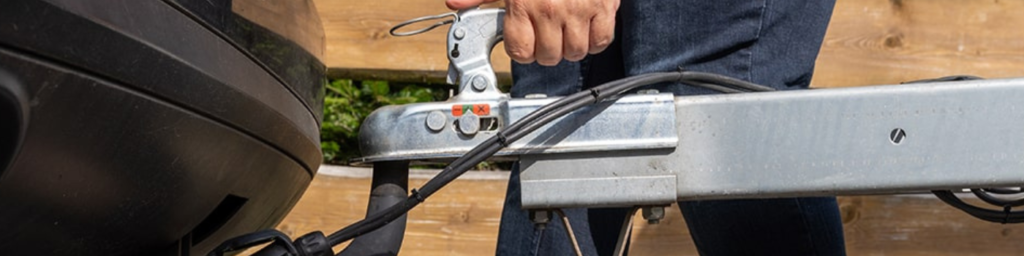
1. Make Sure the Trailer Is Coupled Correctly
Start where the trailer meets the tow vehicle.
The coupling needs to be fully seated and correctly secured onto the towball. Don’t rely purely on appearance. Follow the coupling manufacturer’s instructions and use any security indicator or locking mechanism provided to confirm it is properly engaged.
Once connected, check around the entire coupling area.
The jockey wheel should be fully raised and secured so that it cannot drop while travelling. Any handles, clamps or other components around the drawbar should also be in their correct travelling position.
This is one of those checks that can become automatic with experience, but that’s exactly why it’s worth building a consistent routine. Take a few seconds to physically confirm the connection every time.
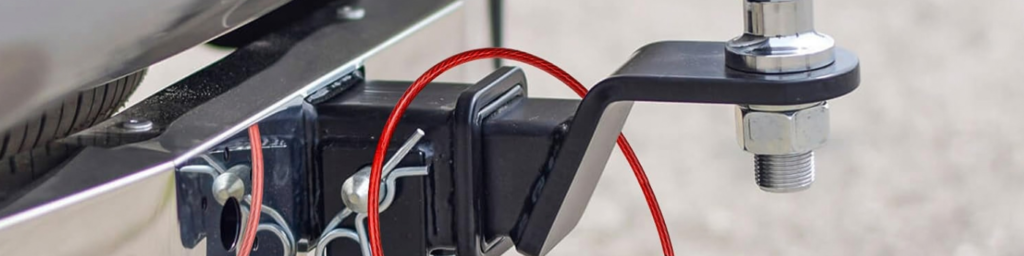
2. Attach the Breakaway Cable or Secondary Coupling
Your safety connection is separate from the main trailer coupling and needs checking before every journey.
Braked trailers will generally use a breakaway cable, designed to apply the trailer brakes if the trailer becomes detached from the towing vehicle. Unbraked trailers normally use a secondary coupling intended to keep the trailer attached to the vehicle if the main coupling separates.
Make sure the appropriate connection is:
- Properly attached to the designated point on the tow vehicle
- In good condition
- Routed correctly
- Free from obvious damage or excessive wear
Don’t simply loop or attach it wherever is convenient. Follow the instructions for your particular trailer and towing equipment.
We’ve covered the differences between these systems in more detail in our Braked vs Unbraked Trailers: Which Do You Need? guide.
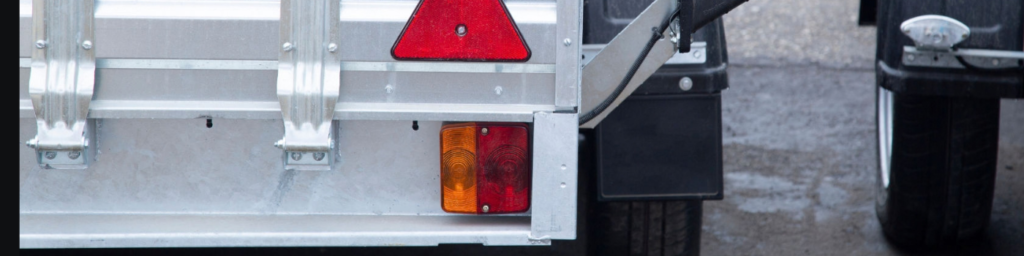
3. Connect the Electrics and Check Your Lights
Once the trailer electrics are connected, check that everything actually works.
Test the:
- Indicators
- Brake lights
- Rear position lights
- Fog light
- Number plate illumination where applicable
Having another person stand behind the trailer makes this much easier. If you’re alone, you’ll need to find another safe way to confirm that the relevant lights are operating correctly.
Check the electrical plug is fully connected and that the cable isn’t hanging low enough to drag along the road. A quick visual check of the light units themselves is useful too. Dirt or damage can reduce visibility even if the bulbs or LEDs are working.

4. Inspect the Trailer Tyres and Wheels
Trailer tyres can spend long periods stationary, so low mileage doesn’t automatically mean they’re in good condition.
Look closely at each tyre for cuts, bulges, cracking, excessive wear or other visible damage. Check the pressures against the trailer or tyre manufacturer’s recommendations, ideally while the tyres are cold.
Don’t forget the inside faces of the tyres where visible, damage isn’t always on the easiest side to see.
The wheels deserve attention too. Look for anything obviously loose, damaged or unusual and make sure the wheel fixings are secure in accordance with the manufacturer’s guidance. If the trailer has been standing unused for some time, give this part of the inspection extra attention before putting it back on the road.
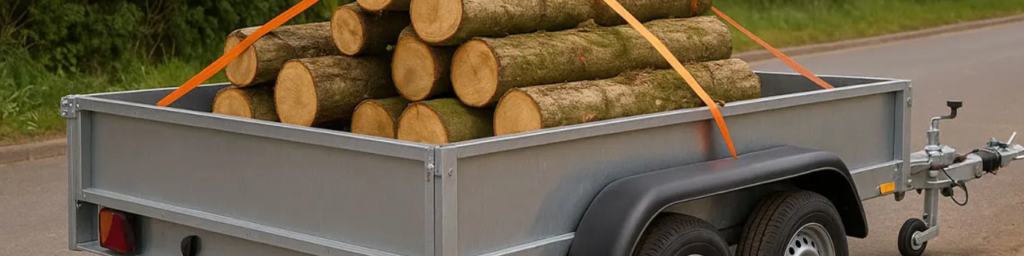
5. Check the Load Is Secure
A load that was correctly positioned when you started loading isn’t necessarily ready to travel.
Before setting off, check that everything is appropriately restrained and cannot move, roll, slide or fall from the trailer during the journey.
What this involves will depend heavily on the trailer and load. A machine on a Plant Trailer requires a very different approach from materials carried on a Flatbed Trailer, a vehicle on a Car Trailer or loose materials inside a Tipper Trailer.
Whatever you’re transporting, check:
- The complete load is within the trailer’s capacity
- Weight is appropriately distributed
- Suitable restraints are being used where required
- Straps and securing points are in good condition
- Nothing can become loose during normal driving
- Attachments and additional equipment have also been secured
If you’ve added equipment after initially securing the main load, check everything again.
Don’t Forget About Payload!
The weight of everything carried on the trailer contributes towards its actual loaded weight. That can include buckets, attachments, tools, spare equipment and other items that are easy to overlook.
If you’re unsure how much your trailer can carry, our Trailer Weights Explained: Payload, GTW and Towing Capacity guide explains how to calculate the available payload and compare it with your tow vehicle.
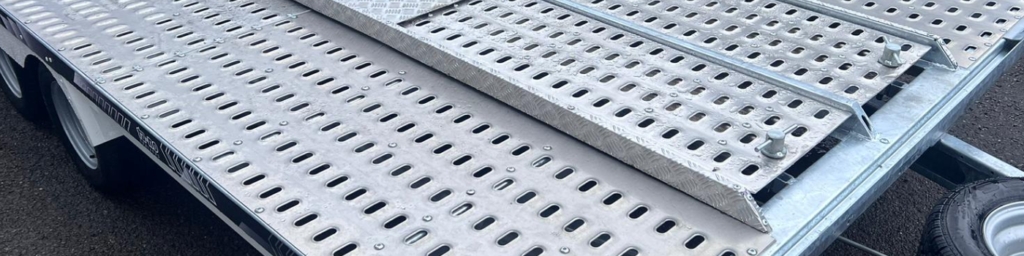
6. Secure Doors, Ramps and Loose Equipment
Once the load itself is secure, work around the rest of the trailer.
Depending on its design, check:
- Rear and side doors
- Loading ramps
- Tailgates
- Drop sides
- Covers
- Toolboxes
- Removable components
- Any other catches, pins or fastenings
Make sure everything is completely closed and locked or secured in its travelling position.
This is particularly important after loading. A ramp, door or tailgate may have been opened earlier in the process and it’s easy to assume somebody else has secured it afterwards.
7. Check Your Number Plate and Rearward Visibility
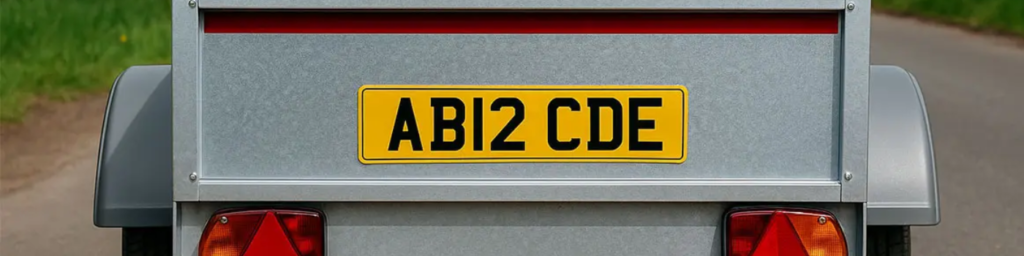
A trailer must display the same registration number as the towing vehicle. Check that the plate is securely fitted, clearly visible and not obscured by the load or other equipment.
You also need an adequate view of the road behind you.
If the trailer is wider than the rear of your tow vehicle, additional towing mirrors may be needed to provide the required view. Make sure they’re correctly fitted and adjusted before moving rather than trying to sort your visibility once you’re already on the road.
GOV.UK provides current guidance on towing mirrors, number plates and the other rules that apply when towing. Check the official UK towing guidance
8. Make Sure Your Trailer and Tow Vehicle Are Within Their Limits
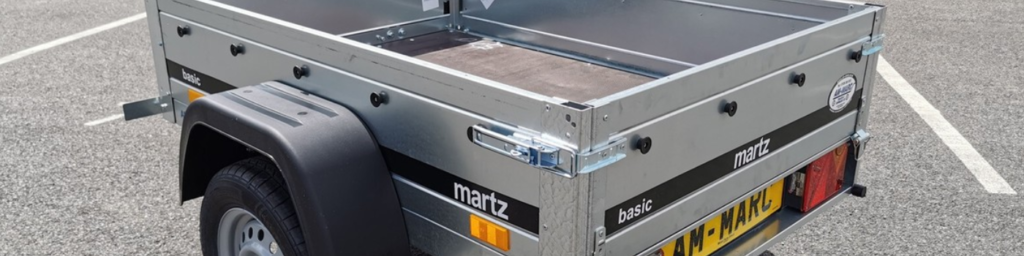
This doesn’t need to become a calculation you repeat from scratch before every familiar journey, but you do need to know that the combination you’re using is suitable for the load. Check that the loaded trailer remains within its permitted limits and that your towing vehicle is rated for the resulting trailer weight.
If the load has changed significantly, don’t assume that a combination you’ve used previously will still be suitable.
We’ve covered the calculations separately in Trailer Weights Explained: Payload, GTW and Towing Capacity. You can also check our What Driving Licence Do You Need to Tow a Trailer? guide if you’re unsure whether your licence provides the necessary entitlement.
9. Do a Final 60-Second Walk-Around
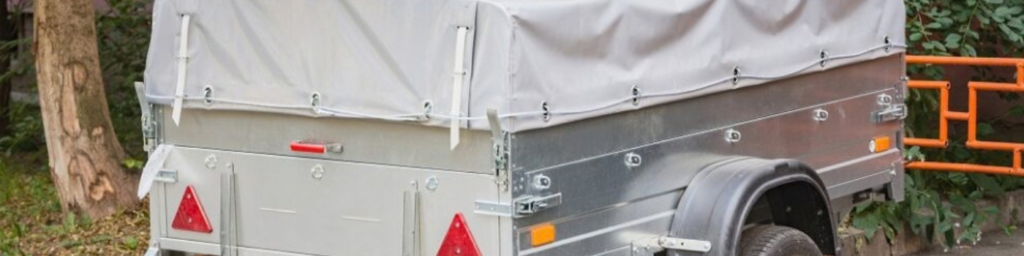
Once you think you’re ready to leave, walk around the complete towing combination one more time. You aren’t carrying out the entire inspection again. You’re looking for anything obvious that has been forgotten.
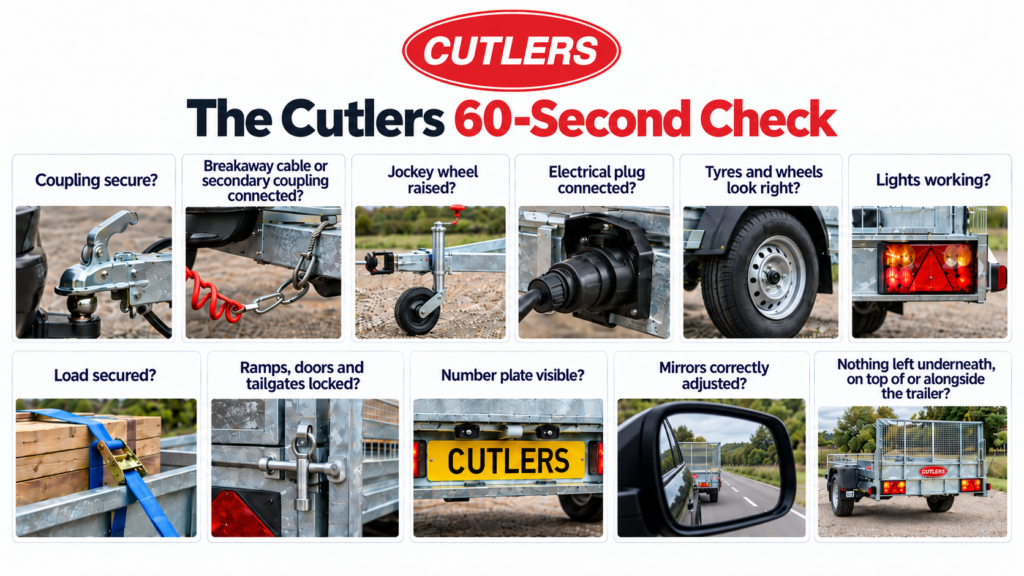
Then take a final look at the trailer from a few steps back. It’s surprising how much easier it is to spot an open catch, loose strap or something out of position when you look at the complete setup rather than one component at a time.
Keep This Checklist for Every Journey
A pre-towing check isn’t only useful when you’re learning. The more familiar you become with a trailer, the easier it can be to assume everything is ready without checking it properly.
Building the same routine into every journey helps prevent that. Couple, connect, inspect, secure and walk around before you leave. If something doesn’t look right, sort it before getting on the road.
If you’re new to towing, continue with our How to Tow a Trailer Safely for the First Time guide for practical advice on pulling away, braking, cornering, reversing and motorway driving.
Cutlers also stocks a wide selection of Trailers for Sale, including Plant Trailers, Car Trailers, Horse Trailers, Tipper Trailers and Flatbed Trailers. You can also browse our current Used Trailers or explore Trailer Hire if you only need a trailer for a particular job.
Whether it’s a small utility trailer or a fully loaded commercial trailer, the principle doesn’t change: a few minutes spent checking before you leave is time well spent.